Savory Beet Macarons with Goat Cheese Filling
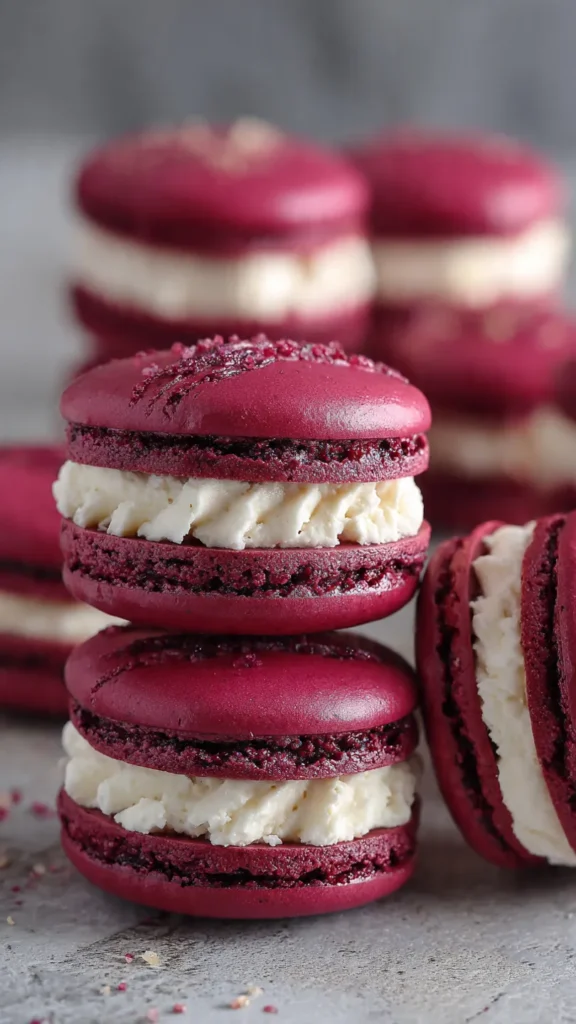
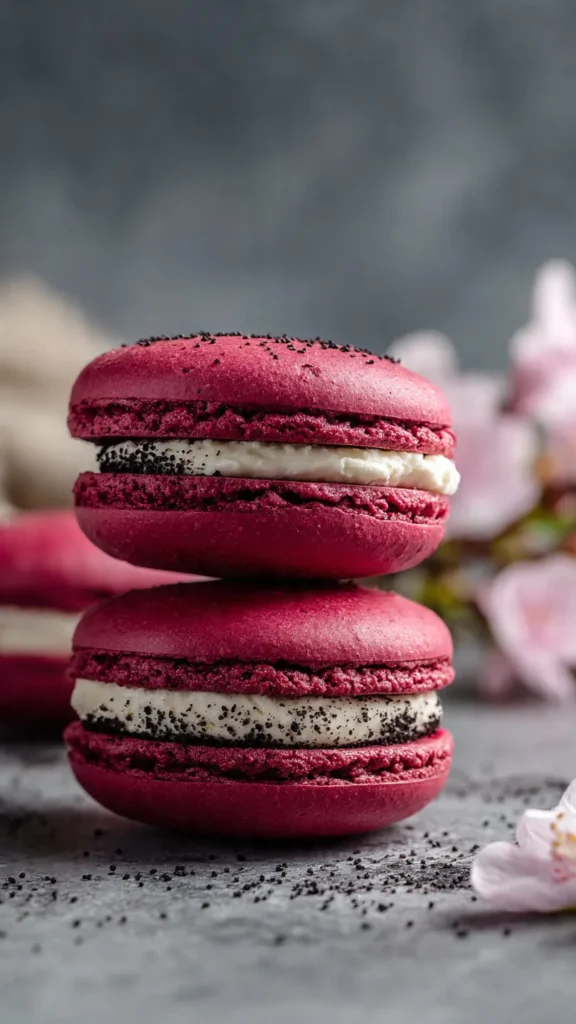
When it comes to impressing guests with innovative appetizers, few dishes can match the visual appeal and flavor complexity of savory beet macarons filled with tangy goat cheese. These stunning crimson bites represent a bold departure from traditional sweet macarons, transforming the delicate French pastry technique into a sophisticated savory experience that will have your guests talking long after the party ends.
The marriage of earthy beets and creamy goat cheese creates an unexpected harmony that dances across your palate. The subtle sweetness of roasted beets, captured in concentrated powder form, infuses each delicate shell with both vibrant color and nuanced flavor. Meanwhile, the filling delivers a luxurious tang that perfectly balances the shells’ gentle sweetness, while toasted walnuts add a welcome textural contrast and nutty depth.
What makes these macarons particularly special is their versatility. They work beautifully as elegant hors d’oeuvres at formal dinner parties, add sophistication to casual brunches, or serve as unexpected additions to afternoon tea spreads. Their vegetarian-friendly profile ensures they’ll accommodate diverse dietary preferences, making them an inclusive choice for any gathering. Despite their gourmet appearance, these macarons come together in approximately 90 minutes, yielding about 20 exquisite bites that look as impressive as they taste.
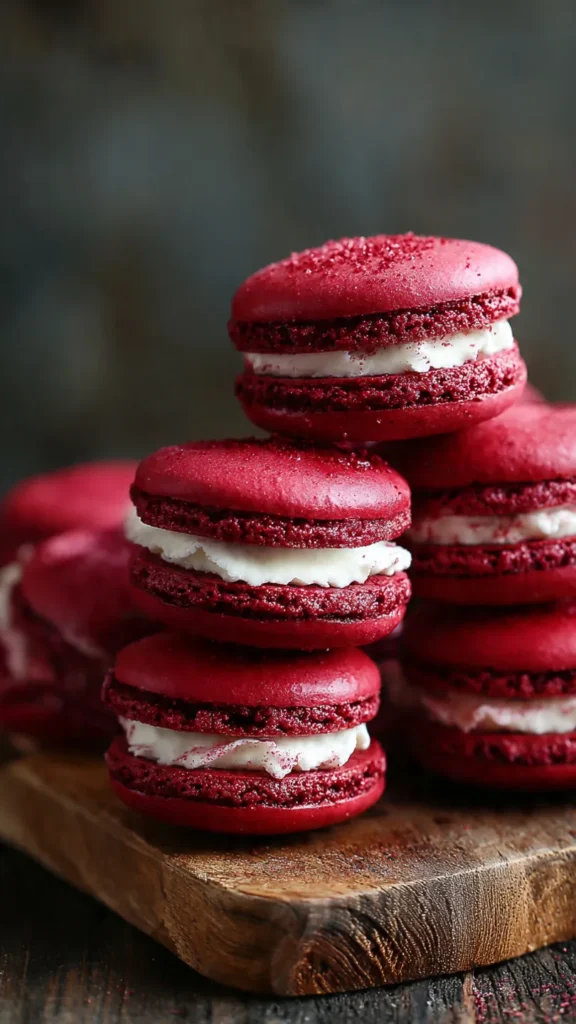
The technique behind these macarons follows the classic French method, requiring precision and patience but rewarding you with professional-looking results. The resting period allows the shells to develop their signature smooth tops and characteristic “feet” at the base, while the gentle folding technique ensures the perfect texture. Once you master this method, you’ll find endless opportunities to experiment with other savory flavor combinations.
Table of Contents
Essential Ingredients for Success
The foundation of exceptional macarons begins with quality ingredients measured with precision. For the shells, you’ll need 100 grams of finely ground almond flour, which provides the characteristic nutty flavor and delicate texture. Pair this with 100 grams of powdered sugar for structure and sweetness, and 10 grams of beetroot powder or finely ground freeze-dried beet for that stunning crimson hue and subtle earthy flavor.
The meringue component requires 75 grams of aged egg whites, preferably separated and left at room temperature for 24 hours to allow excess moisture to evaporate. This aging process creates more stable meringues with better structure. You’ll also need 50 grams of granulated sugar to sweeten and stabilize the egg whites, plus a pinch of cream of tartar to help the whites reach their full volume, and a pinch of salt to enhance overall flavor.
For the luxurious filling, start with 150 grams of fresh goat cheese, choosing a variety with pronounced tanginess. Add 2 tablespoons of cream cheese to create a smoother, more stable texture that pipes beautifully. Include 1 tablespoon of heavy cream to achieve the perfect consistency, though you may need slightly more depending on your cheese’s moisture content. Season thoughtfully with salt and freshly ground black pepper to taste, adjusting to your preference.
The filling gets its delightful crunch from 30 grams of toasted walnuts, finely chopped to distribute evenly throughout. Reserve extra walnut crumbs for garnishing the assembled macarons. Consider optional finishing touches like micro herbs for a fresh, garden-inspired presentation, or additional beet powder dusted over the tops for intensified color.
Step-by-Step Preparation Guide
Creating perfect macarons requires attention to detail and patience, but the process becomes intuitive with practice. Begin your preparation by sifting together the almond flour, powdered sugar, and beetroot powder in a large mixing bowl. This crucial step eliminates lumps and incorporates air, ensuring smooth, even shells. Press any remaining almond pieces through the sieve or discard them to prevent bumpy surfaces.
In a separate, spotlessly clean bowl, begin whisking your aged egg whites with the cream of tartar and a pinch of salt. Any trace of fat will prevent proper whipping, so ensure your bowl and whisk are completely clean and dry. Start on medium speed until the whites become foamy and opaque, then slowly stream in the granulated sugar while continuing to whisk. Gradually increase speed to high and continue whisking until stiff, glossy peaks form that hold their shape when you lift the whisk.
The folding technique, called macaronage, determines your final texture. Carefully fold the sifted dry mixture into the whipped egg whites using a large rubber spatula. Use a cutting and folding motion, turning the bowl as you work. The batter should flow like lava, forming a ribbon that slowly disappears back into itself when lifted. This typically takes 40 to 60 folds, though the exact number varies. Properly macaronaged batter creates smooth tops and beautiful feet.
Transfer the batter to a piping bag fitted with a round tip, approximately 1 centimeter in diameter. Pipe 3-centimeter diameter rounds onto parchment-lined baking trays, holding the bag perpendicular to the tray and applying steady pressure. Space them about 3 centimeters apart to allow for slight spreading. After piping, firmly tap the trays on the counter several times to release trapped air bubbles that could crack the shells during baking.
Allow the piped shells to rest at room temperature for 30 to 45 minutes. This resting period is non-negotiable for achieving the signature smooth tops and ruffled feet. The shells should develop a skin that doesn’t stick to your finger when lightly touched. Humidity affects drying time, so adjust as needed. Meanwhile, preheat your oven to 150°C or 302°F, ensuring it reaches the correct temperature before baking.
Bake the shells for 14 to 16 minutes, rotating the trays halfway through for even coloring. The shells should lift cleanly from the parchment without sticking or leaving residue. If they stick, they need additional baking time. Allow them to cool completely on the trays before attempting to remove them, as warm shells are fragile and prone to cracking.
While the shells cool, prepare your filling by combining the goat cheese, cream cheese, and heavy cream in a medium bowl. Whip together using an electric mixer or vigorous whisking until the mixture becomes light, fluffy, and completely smooth without lumps. The consistency should hold peaks but remain soft enough to pipe easily. Add additional cream if needed to achieve the right texture. Season generously with salt and freshly ground black pepper, tasting and adjusting until the flavors sing.
Fold in the finely chopped toasted walnuts, distributing them evenly throughout the filling. Transfer the mixture to a piping bag fitted with a round or star tip. Once the shells are completely cool, match them into pairs of similar size and shape. Pipe a generous dollop of filling onto the flat side of one shell, leaving a small border around the edge. Gently press the matching shell on top, creating a sandwich with filling just visible at the edges.
Arrange the assembled macarons on a serving platter and refrigerate for at least 30 minutes before serving. This resting period allows the filling to firm slightly and the shells to soften just enough to create the perfect texture contrast. The flavors also meld together beautifully during this time. Just before presenting, garnish with extra walnut crumbs, delicate micro herbs, or a light dusting of beet powder for visual impact.
Expert Tips for Make-Ahead Success
Smart planning transforms these macarons from last-minute stress into effortless entertaining. Both components can be prepared up to two days in advance, stored separately to maintain optimal texture and freshness. Baked shells keep beautifully in an airtight container at room temperature, maintaining their delicate crunch. The goat cheese filling stays fresh in the refrigerator, covered tightly to prevent absorbing other flavors.
Assemble the macarons within a few hours of serving for the best texture experience. The shells gradually absorb moisture from the filling, creating the characteristic slightly chewy interior that macaron enthusiasts love. However, waiting too long can make them overly soft. Finding your preferred texture is part of the fun of making these repeatedly.