Shrimp Scampi with Lemon Butter: A Restaurant Classic Made Easy at Home
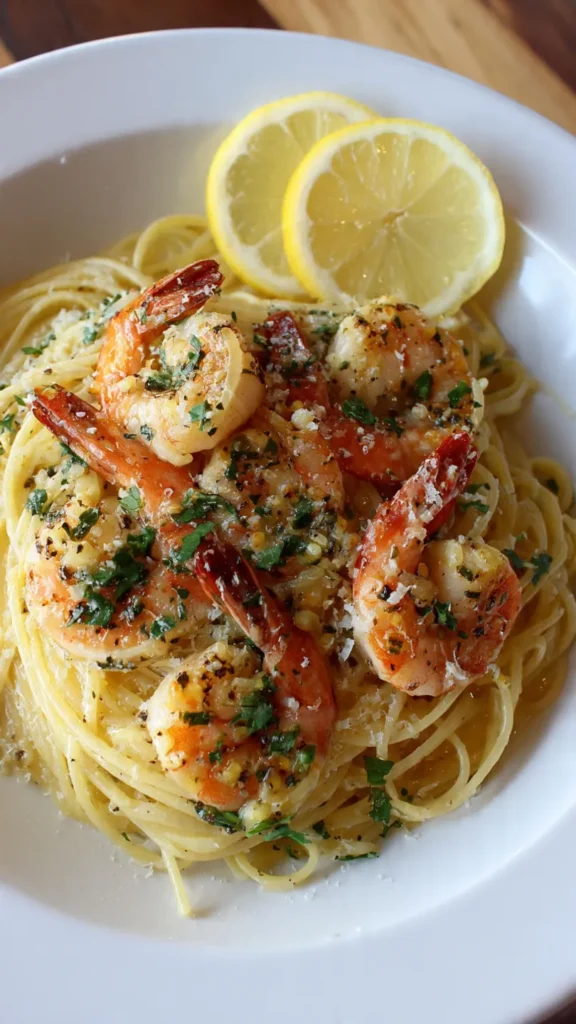
There’s something undeniably magical about a plate of golden shrimp nestled in silky strands of pasta, all glistening with lemon-butter sauce. Shrimp scampi is one of those dishes that feels like a special occasion—the kind of meal you’d order at an upscale Italian restaurant overlooking the harbor. Yet here’s the beautiful secret: this elegant dish is surprisingly simple to create in your own kitchen, requiring just 25 minutes from start to finish.
The brilliance of shrimp scampi lies in its simplicity. Unlike complex recipes that demand hours of preparation, this dish celebrates the purity of a few quality ingredients working in perfect harmony. Fresh shrimp, aromatic garlic, bright lemon, and rich butter come together to create layers of flavor that taste like you’ve been cooking all day. It’s the culinary equivalent of effortless elegance—impressive to serve, yet remarkably forgiving to make.
Why This Recipe Works
This particular approach to shrimp scampi balances tradition with smart technique. The combination of butter and olive oil creates a sauce base that’s rich but not heavy, while the addition of chicken broth or white wine adds depth without overwhelming the delicate sweetness of the shrimp. The lemon does double duty here—its zest provides aromatic oils that perfume the entire dish, while its juice cuts through the richness with a bright, tangy finish.
The key to restaurant-quality results at home is understanding that shrimp scampi is all about timing and heat control. Shrimp cook incredibly quickly, and the difference between perfectly tender and rubbery is just a matter of seconds. By cooking the shrimp separately before building the sauce, you maintain complete control over their texture while developing those beautiful golden edges that add visual appeal and subtle caramelized flavor.
Ingredient Selection and Substitutions
Pasta Choice: Linguine and fettuccine are classic choices because their flat, ribbon-like shapes catch and hold the buttery sauce beautifully. However, angel hair pasta works wonderfully if you prefer something more delicate, while spaghetti offers a traditional alternative. For a heartier meal, penne or rigatoni can stand in, though they won’t coat quite as luxuriously.
Shrimp Quality: The star of this dish deserves attention. Look for large shrimp (16-20 count per pound) that are firm, translucent, and smell fresh—like the ocean, not fishy. If you’re using frozen shrimp, thaw them completely in the refrigerator overnight or under cold running water for 15 minutes. Pat them thoroughly dry before cooking to ensure proper browning.
Wine vs. Broth: Dry white wine adds a sophisticated acidity and complexity to the sauce, with varietals like Pinot Grigio, Sauvignon Blanc, or unoaked Chardonnay working beautifully. If you prefer to skip the alcohol, chicken broth provides savory depth, while vegetable broth offers a lighter option. Some cooks even use the reserved pasta water exclusively for a more economical approach.
Butter Considerations: Unsalted butter gives you complete control over the seasoning, which is particularly important when you’re adding Parmesan and possibly using salted pasta water. European-style butter with higher fat content will create an even silkier sauce, though standard unsalted butter works perfectly well.
Step-by-Step Cooking Guide
Preparing Your Mise en Place
Before you turn on a single burner, set yourself up for success with proper preparation. Bring a large pot of water to a rolling boil and salt it generously—it should taste like the sea. This is your only opportunity to season the pasta itself from within. While the water heats, pat your shrimp completely dry with paper towels and season them generously with salt and freshly ground black pepper on both sides.
Mince your garlic finely, but not so far in advance that it begins to oxidize and turn bitter. Zest your lemon using a microplane or fine grater, being careful to avoid the white pith beneath the yellow skin, which can add unwanted bitterness. Juice the lemon into a small bowl, fishing out any seeds. Measure out your broth or wine, grate your Parmesan, and chop your parsley. When everything is within arm’s reach, you’re ready to cook.
Building Layers of Flavor
Drop your pasta into the boiling water and set a timer according to the package directions, aiming for al dente—tender but still with a slight bite. Just before draining, scoop out half a cup of the starchy pasta water. This liquid gold will help emulsify your sauce later, creating that glossy, cohesive coating that clings to every strand.
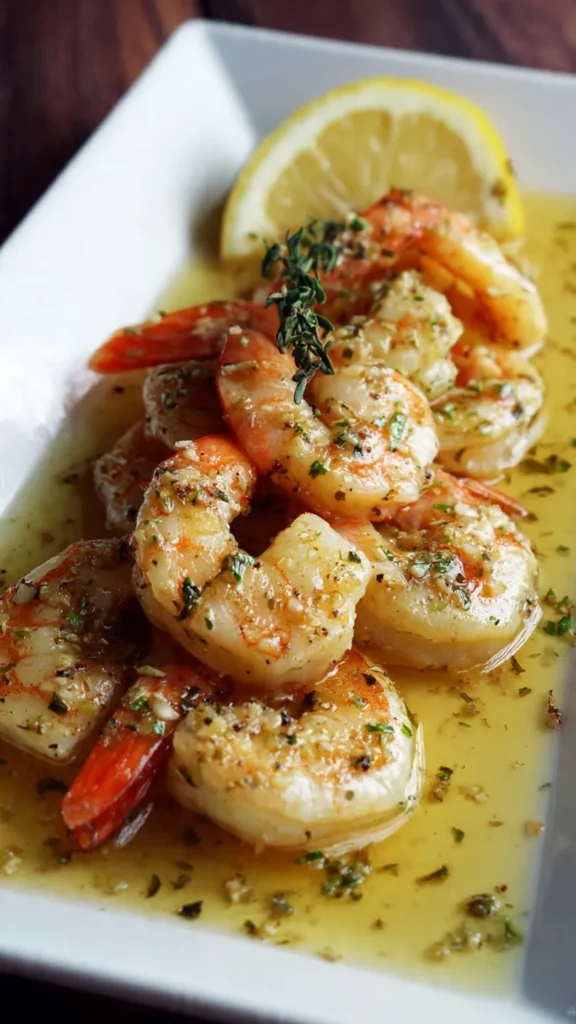
While the pasta cooks, heat your skillet over medium-high heat until it’s quite hot. Add the olive oil and one tablespoon of butter, swirling to coat the pan. When the butter’s foam begins to subside, add your shrimp in a single layer without crowding—work in batches if necessary. Resist the urge to move them around; let them develop a golden crust on one side for 2-3 minutes before flipping to cook the other side. The shrimp are done when they’ve turned pink and formed a slight C-shape. Remove them to a plate.
Creating the Signature Sauce
In the same skillet with all those flavorful browned bits, add your remaining butter. As it melts, add the minced garlic and red pepper flakes if using. The key here is to let the garlic bloom and become fragrant without burning—about 30 seconds of constant stirring should do it. If the garlic starts to brown too quickly, immediately add your liquid.
Pour in the lemon juice, lemon zest, and your chosen liquid (wine or broth). The mixture will bubble vigorously, and that’s exactly what you want. This deglazing process lifts all those caramelized bits from the pan bottom, incorporating them into your sauce. Let this simmer for 2-3 minutes to reduce slightly and concentrate the flavors.
Bringing It All Together
Add your drained pasta directly to the sauce, using tongs to toss and coat every strand. If the sauce seems tight or the pasta looks dry, add reserved pasta water a tablespoon at a time until you achieve that glossy, silky consistency. The starch in the pasta water acts as an emulsifier, helping the butter and liquid come together into a cohesive sauce rather than separating.
Return your cooked shrimp to the pan, nestling them into the pasta and giving everything a gentle toss just to heat the shrimp through—about 30 seconds to a minute. You don’t want to overcook the shrimp at this stage.
The Final Flourish
Remove the pan from heat and sprinkle with freshly grated Parmesan cheese and chopped parsley. The residual heat will melt the cheese slightly while keeping the parsley bright and fresh. Give everything one final gentle toss to incorporate.
Serving and Presentation
For restaurant-quality presentation, use tongs to twirl portions of pasta into shallow bowls or onto plates, arranging the shrimp on top in an attractive fan. A final squeeze of fresh lemon juice adds brightness, while a drizzle of your best olive oil provides luxurious shine and an extra layer of flavor. Finish with a crack of black pepper and perhaps a few whole parsley leaves for color.
Serve immediately while the pasta is still steaming and the butter hasn’t had a chance to cool and solidify. Have extra Parmesan and lemon wedges at the table for those who want more.
Customization and Variations
This recipe serves as a perfect canvas for personalization. Add halved cherry tomatoes along with the garlic for bursts of sweetness. Toss in fresh spinach or arugula at the end for color and nutrition. Swap the Parmesan for pecorino Romano for a sharper, saltier edge. Some cooks add a splash of cream for extra richness, though purists argue this strays from traditional scampi.
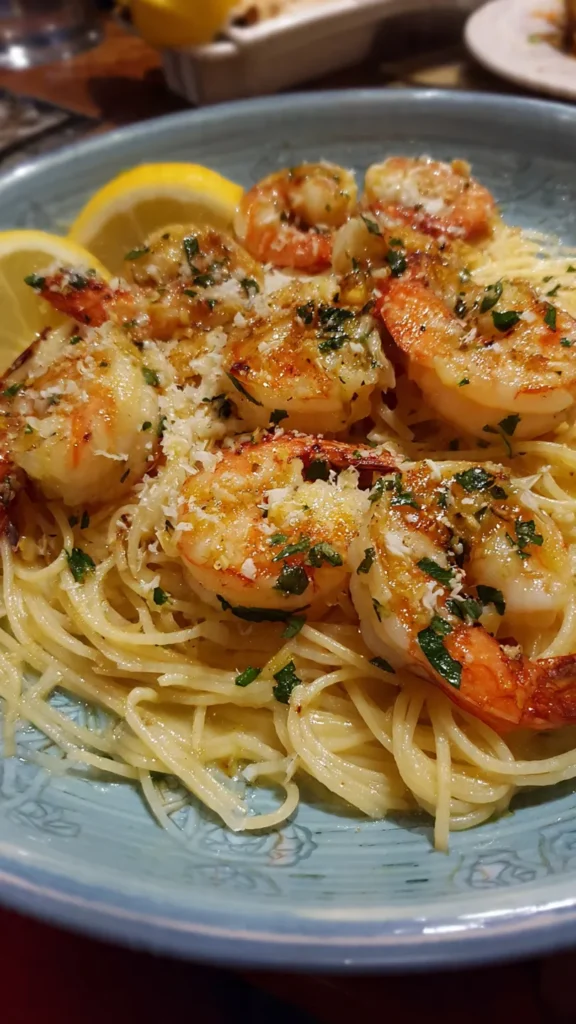
For a complete meal, serve alongside a crisp green salad dressed simply with lemon vinaigrette and warm, crusty bread to soak up every drop of sauce. A chilled glass of the same white wine used in cooking makes an ideal pairing.
Prep time: 10 minutes
Cook time: 15 minutes
Total time: 25 minutes
Yield: 4 servings
Ingredients
- 12 oz linguine or fettuccine pasta
- 1 lb large shrimp, peeled and deveined
- Salt and black pepper, to taste
- 3 tbsp unsalted butter
- 2 tbsp olive oil
- 4 cloves garlic, minced
- 1/4 tsp red pepper flakes (optional)
- Zest of 1 lemon
- Juice of 1 lemon
- 1/3 cup chicken broth or dry white wine
- 1/4 cup grated Parmesan cheese
- 2 tbsp fresh parsley, chopped
Instructions
- Cook pasta in salted water according to package instructions. Reserve 1/2 cup pasta water, then drain.
- Season shrimp with salt and pepper.
- Heat olive oil and 1 tbsp butter in a large skillet over medium-high heat.
- Add shrimp and cook 2–3 minutes per side until pink and lightly golden. Remove shrimp and set aside.
- In the same skillet, add remaining butter and garlic. Sauté 30 seconds until fragrant.
- Stir in red pepper flakes, lemon zest, lemon juice, and broth or wine. Simmer 2–3 minutes.
- Add cooked pasta to the skillet and toss to coat. Add reserved pasta water if needed for silkiness.
- Return shrimp to the pan and toss gently until heated through.
- Remove from heat, sprinkle with Parmesan and parsley, and serve immediately.
Pro Tip
Finish with an extra squeeze of lemon and a drizzle of olive oil right before serving for that restaurant-style scampi shine. The acid brightens all the flavors while the olive oil adds luxurious gloss and mouthfeel.