
Fresh and Flavorful Chickpea Avocado Salad with Creamy Feta for a Healthy Meal
Recipe Quick Reference Module
Time Breakdown: Prep: X | Active: X | Total: X
Output: X servings | Skill Level: Beginner/Intermediate/Expert
At-a-Glance Details:
Origin cuisine: Type
Meal category: Breakfast/Lunch/Dinner/Snack/Dessert
Dietary tags: Include relevant icons
Ideal occasion: When/where to serve
Value Proposition Points (4-5 Benefits)
Frame each as reader advantage:
Texture achievement — “Achieves bakery-level flakiness”
Time efficiency — “Ready in under 45 minutes start to finish”
Flexibility feature — “Customize with 6+ flavor variations”
Technique insight — “Includes chef-tested secret for browning”
Context fit — “Impressive enough for guests, easy enough for Tuesday”
Featured Ingredient Analysis (Optional)
Select 2-3 critical ingredients and explain:
Functional role in recipe success
Selection and quality guidelines
Viable alternatives and their impact
Component-Based Ingredient Lists
Primary Component [Dough/Base/Main]:
Item with precise measurement (specification notes)
Next item (brand preference if significant)
Secondary Component [Topping/Sauce/Filling]:
Listed systematically
Ingredient Intelligence:
Premium quality crucial for: which items
Temperature requirements: what needs to be room temp/cold
Non-negotiable elements: ingredient + reason
Tool & Equipment Section
Required Items:
Tool name — dimensions/specifications
Next tool — optional brand guidance
Bonus Tools:
Helpful addition — simplifies which step
Preparation Method (Detailed Steps)
Step 1: [Action] the [Element]
Include: detailed instruction + visual indicators + timing + success markers (“mixture should look glossy and pull from bowl sides”)
Step 2: [Next Action]
Include: exact temperatures + technique details + error prevention
Continue pattern with:
Strong action verbs leading each step
Multi-sensory checkpoints (appearance, texture, sound, smell)
Time references throughout
Italic pro tips embedded
Troubleshooting alerts at problem points
[Note: Visual documentation accompanies each major step]
Professional Guidance Section
Temperature Control: Specific advice with numbers
Timing Patience: Where not to rush + why
Texture Achievement Secret: Key technique reveal
Avoid This Error: Common mistake + explanation
Testing Insight: Kitchen discovery from recipe development
Adaptation & Variation Guide
Dietary Adjustments:
Gluten-Free Conversion: Exact substitution with measurements
Plant-Based Version: Complete replacement list
Reduced Sugar Option: Alternative with conversion notes
Flavor Transformations:
Regional Style: Incorporate ingredient for location authenticity
Season Edition: Replace X with Y during months
Gourmet Upgrade: Finish with premium element
Presentation Approaches:
Classic Method: Traditional serving
Contemporary Style: Modern technique
Entertaining Format: Scaling/buffet adaptation
Preservation & Advance Prep
Prepare-Ahead Strategy:
Component prep timing windows
Maximum advance time
Storage Guidelines:
Room Temperature: Duration + container type
Refrigerated: Up to X days with storage method
Frozen: Up to X months with thawing/reheating protocol
Optimal Reheating: Temperature setting + method + duration for texture restoration
Complementary Serving Suggestions
Ideal Pairings:
Drink recommendation with rationale
Side option with internal link
Flavor complement description
Menu Building:
2-3 complete meal concepts with cross-linked recipes
Nutritional Information (Single Serving)
Calories: X | Protein: Xg | Carbohydrates: Xg | Fat: Xg | Fiber: Xg | Sugar: Xg | Sodium: Xmg
Disclaimer: Calculated via tool/method. Complete nutrition methodology link.
Reader FAQ Module
Q: Can I make this without specific tool?
A: Alternative approach with method
Q: My component came out undesired result — why?
A: Root cause + correction
Q: What’s the optimal temperature for cooking method?
A: Exact number + testing technique
Q: How do I maintain desired texture?
A: Preservation method
Q: Is recipe doubling possible?
A: Scaling guidance + any formula adjustments
Q: Missing ingredient — what works instead?
A: Ranked substitution options
Background & Heritage Context
2-3 paragraph exploration of: historical origins, geographic variations, ceremonial significance, generational traditions, or noteworthy details. Establishes expertise and deepens engagement.
Print-Optimized Recipe Summary
Recipe Title
One-line description
Ingredients: Consolidated list format
Method: Numbered printer-friendly steps
Essential Notes: Critical tips only
Search Optimization Reference (Backend)
Core Keyword: Exact phrase in title, intro, subheading
Meta Description: 150-160 chars with keyword + CTA – MANDATORY
Supporting Keywords: 3-5 semantic variations naturally distributed
Question-Based Phrases: Specific long-tail FAQ queries
Internal Linking: 3-5 relevant site recipes with anchor text
Authoritative External Source: 1-2 credible references for techniques/facts
Image Descriptions: Keyword-enriched, descriptive alt text
Structured Data: Recipe schema markup active
Content Length: 1,500-2,500 word range (optimal for food niche)
Enhanced Features
Emotional engagement through narrative elements
Sensory language integration prompts
Benefit-first communication structure
Technical credibility via explanation sections
Featured snippet optimization (Q&A formatting)
Site authority building through strategic linking
E-E-A-T demonstration via cultural/historical depth
Dual optimization for user experience and search visibility
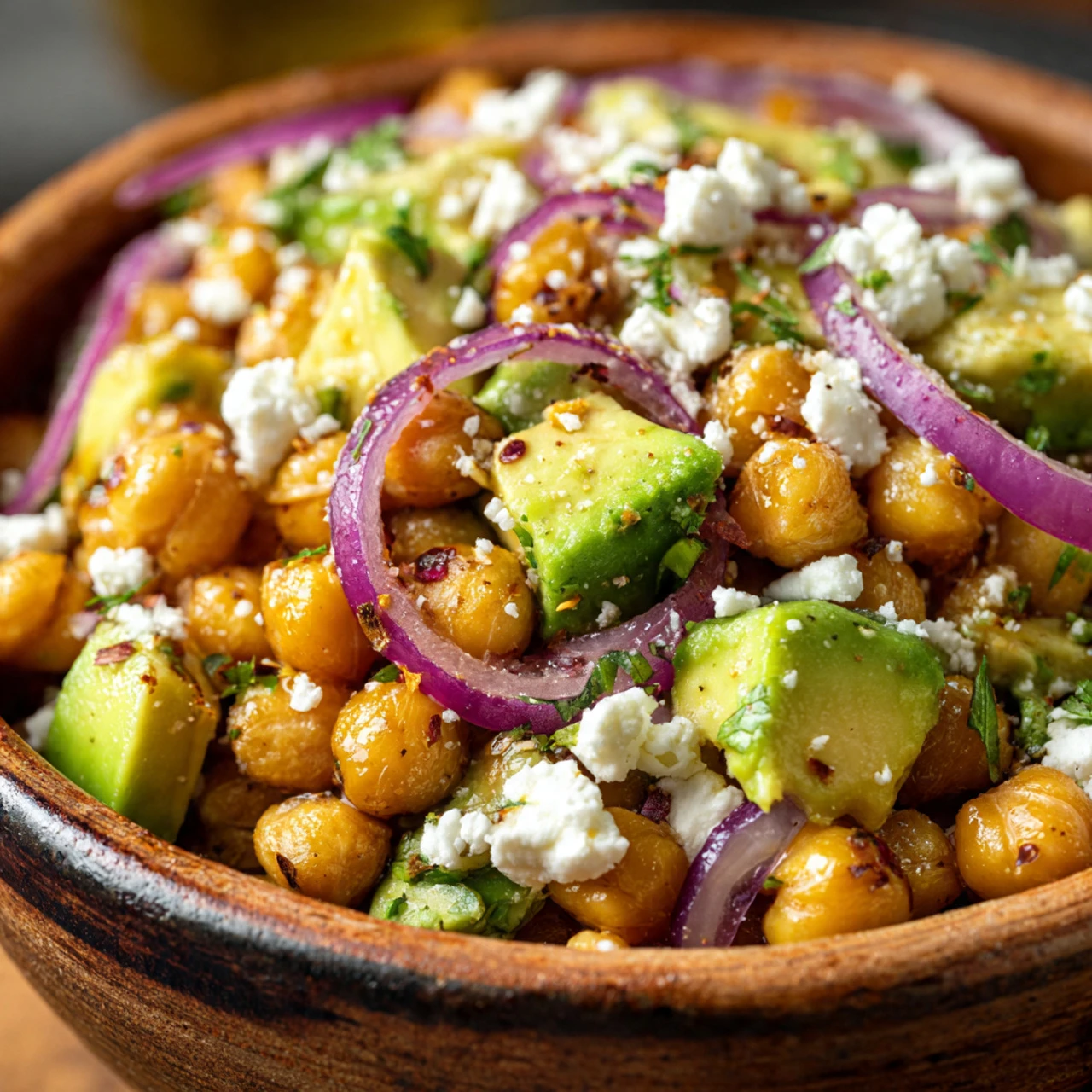
Fresh and Flavorful Chickpea Avocado Salad with Creamy Feta for a Healthy Meal
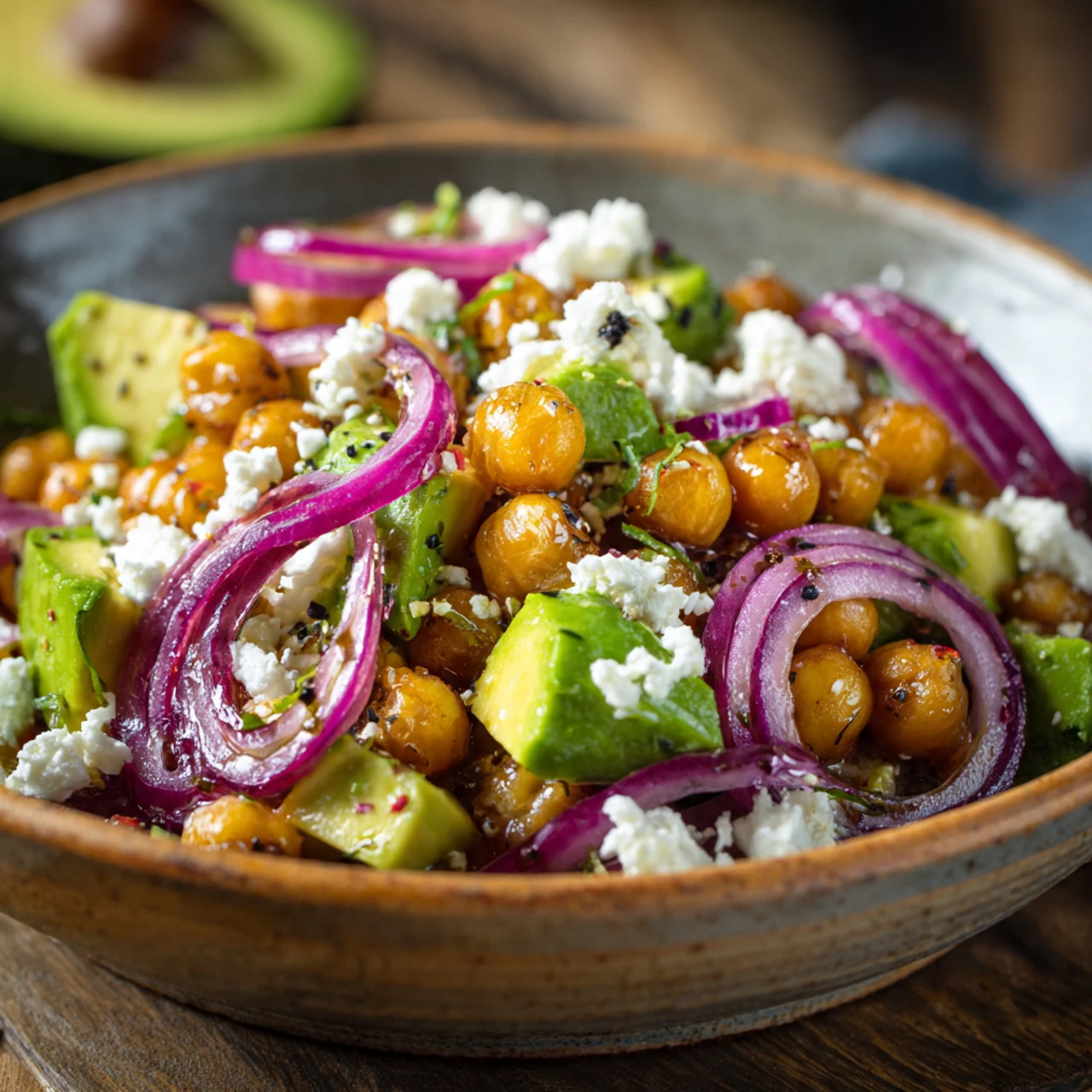
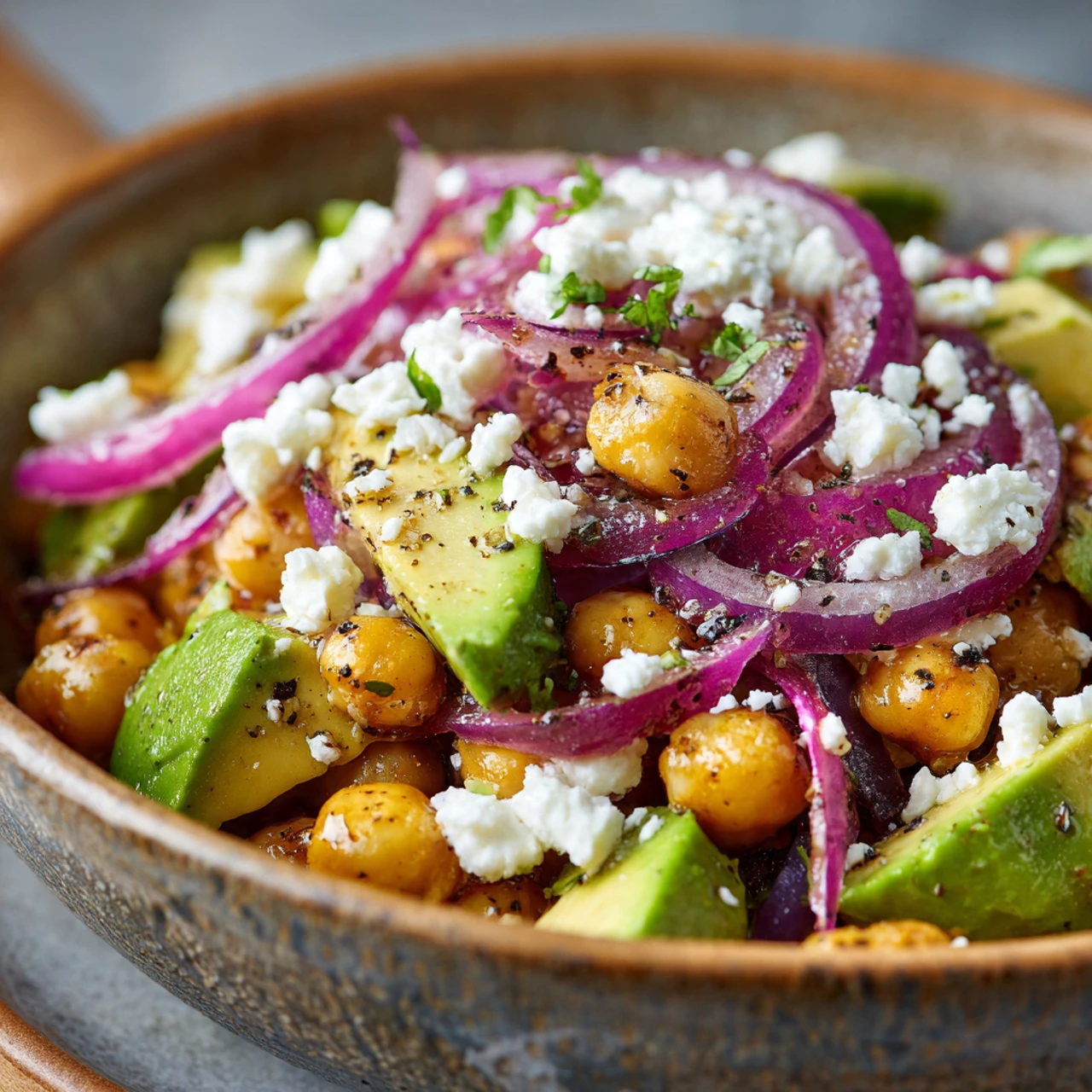
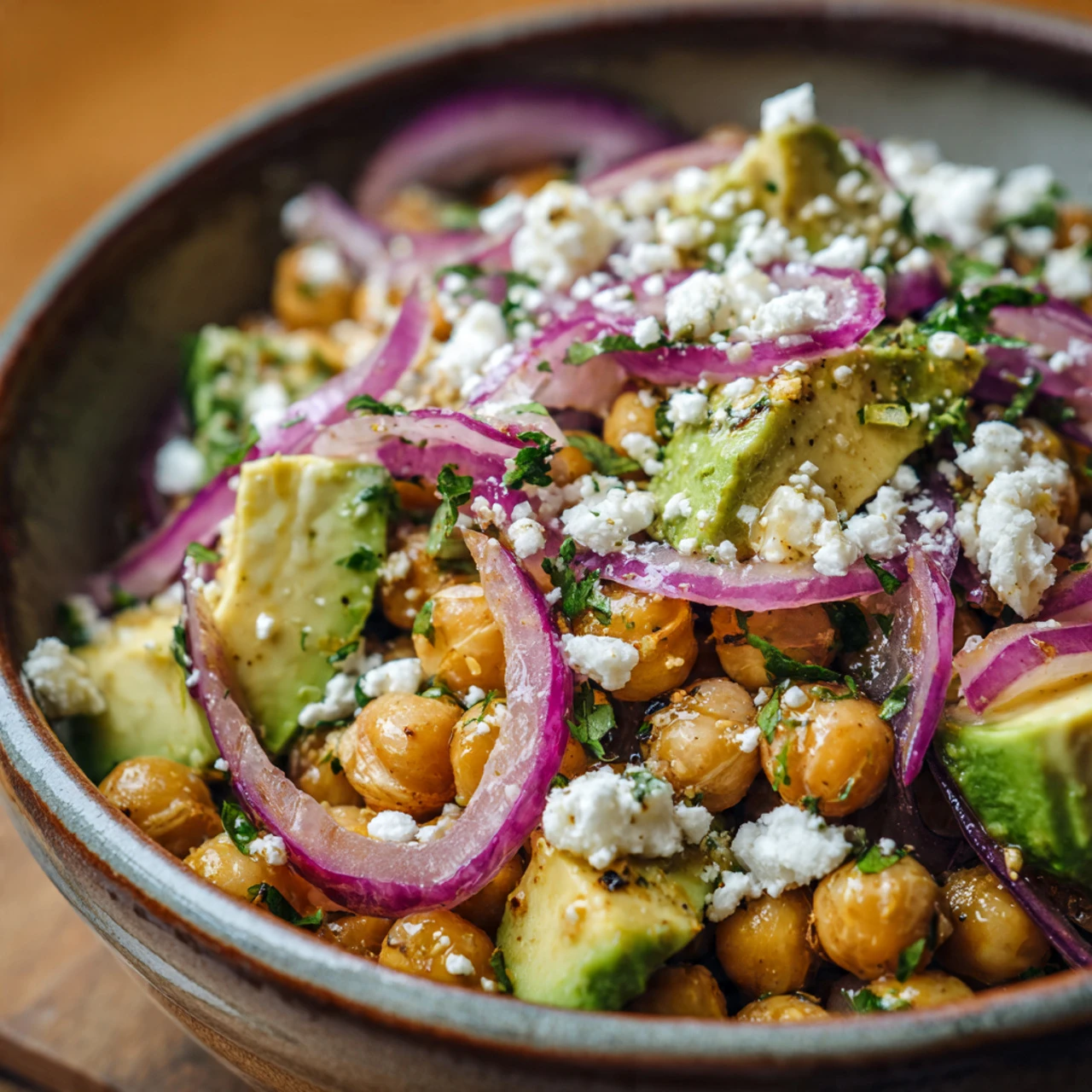
A healthy and satisfying salad featuring chickpeas, avocado, and creamy feta cheese. This salad is bursting with fresh flavors and textures, making it a perfect meal for any occasion.
Ingredients
-
1 can chickpeas, drained and rinsed
-
2 ripe avocados, diced
-
150g creamy feta cheese, crumbled
Directions
-
In a large bowl, combine the chickpeas, diced avocados, and crumbled feta cheese.
-
Gently toss the ingredients together until well mixed.
-
Serve the salad immediately and enjoy!