Herbed Ricotta Stuffed Chicken Rolls: Restaurant-Quality Elegance at Home

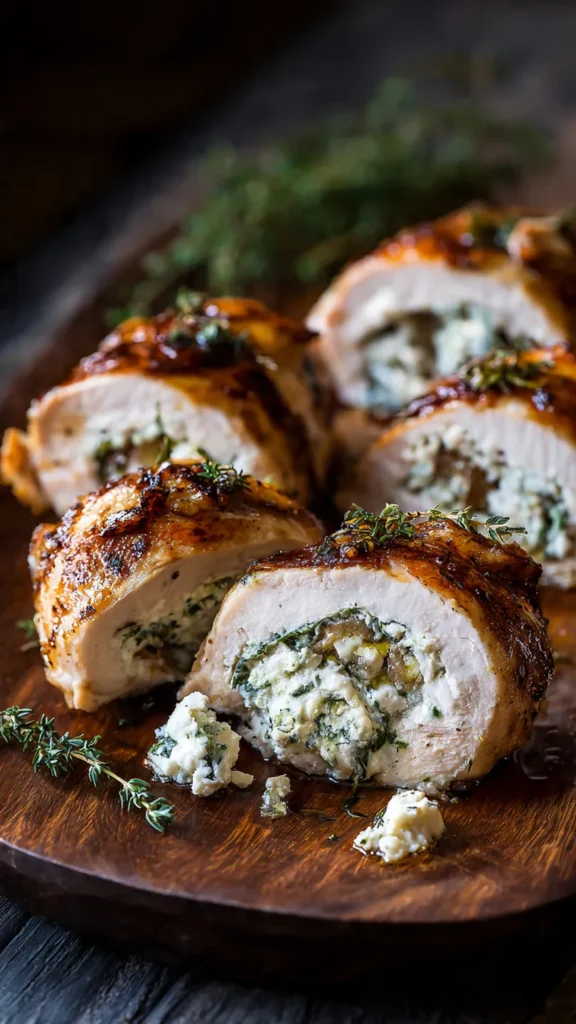
There’s something undeniably impressive about a stuffed chicken roll. When you slice into that golden-brown exterior to reveal a spiral of creamy, herb-flecked ricotta and vibrant spinach, you know you’ve created something special. This dish bridges the gap between weeknight comfort and dinner party elegance—it looks like you spent hours in the kitchen, but the reality is far simpler than your guests will ever guess.
Herbed Ricotta Stuffed Chicken Rolls are the kind of recipe that becomes a signature dish. The combination of tender, juicy chicken wrapped around a luscious ricotta filling, all bathed in a buttery herb sauce with bright lemon notes, creates layers of flavor that work beautifully together. Whether you’re planning a romantic dinner for two, hosting a small gathering, or simply want to elevate your weeknight meal routine, this recipe delivers every time.
Why This Recipe Works
The genius of this dish lies in its thoughtful balance. Chicken breast, often prone to drying out, stays remarkably moist thanks to the creamy ricotta filling and the gentle oven-baking method. The filling itself combines fresh and dried herbs for complexity, while spinach adds color, nutrition, and a subtle earthiness that complements the mild ricotta. Pan-searing before baking creates a beautiful golden crust and develops fond in the skillet—those flavorful browned bits that form the base of our simple yet luxurious pan sauce.
The lemon juice in the sauce is crucial, cutting through the richness and brightening every bite. Combined with aromatic herbs and chicken broth, it creates a light yet flavorful sauce that ties the entire dish together without overwhelming the delicate filling.
Ingredients You’ll Need
For the Chicken Rolls
Start with four boneless, skinless chicken breasts—look for pieces that are roughly the same size for even cooking. You’ll need salt and black pepper for seasoning, one tablespoon of olive oil, and two tablespoons of butter. The combination of oil and butter for searing gives you the best of both worlds: the high smoke point of olive oil prevents burning, while butter adds incomparable flavor and helps achieve that gorgeous golden-brown crust.
For the Ricotta Filling
The filling is where this recipe truly shines. You’ll need one cup of whole-milk ricotta cheese—don’t skimp on quality here, as the ricotta is the star. Fresh ricotta from your deli counter often has better texture and flavor than shelf-stable varieties. One cup of fresh spinach, finely chopped, adds color and nutrients. Two cloves of minced garlic provide aromatic depth, while a quarter cup of grated Parmesan cheese contributes salty, nutty complexity.
One tablespoon of fresh parsley, chopped, brings brightness, and one teaspoon of dried Italian seasoning rounds out the herb profile with its blend of basil, oregano, and other Mediterranean flavors. This combination creates a filling that’s creamy yet structured enough to stay put when you slice into your chicken rolls.
For the Pan Sauce
The sauce requires just a handful of ingredients but delivers maximum impact. Half a cup of chicken broth forms the base—use good-quality broth for the best flavor. One tablespoon of fresh lemon juice adds brightness and acidity, while one teaspoon of dried thyme or rosemary provides herbal notes that echo the filling. Consider keeping some extra fresh herbs on hand for garnishing the finished dish.
Step-by-Step Instructions
Preparing Your Chicken
Begin by preheating your oven to 375°F. This moderate temperature ensures the chicken cooks through gently without drying out. Place each chicken breast between two sheets of plastic wrap or parchment paper. Using a meat mallet or the bottom of a heavy skillet, pound the chicken to an even thickness of about half an inch. This crucial step ensures uniform cooking and makes rolling much easier—thicker spots will remain undercooked while thinner areas overcook, so aim for consistency.
Season both sides of each pounded chicken breast generously with salt and freshly ground black pepper. Don’t be shy with the seasoning—this is your opportunity to season the chicken itself, and the filling will only touch one side.
Creating the Perfect Filling
In a medium bowl, combine the ricotta cheese, finely chopped spinach, minced garlic, grated Parmesan, chopped parsley, and Italian seasoning. Stir everything together until the mixture is uniformly combined and the spinach is evenly distributed throughout. The filling should be thick enough to spread easily but not so loose that it oozes out during cooking.
Taste the filling and adjust seasoning if needed—remember that it will be wrapped inside the chicken, so it should be well-seasoned on its own. The Parmesan adds significant saltiness, so be mindful when adding additional salt.
Rolling Your Chicken
Lay your seasoned chicken breasts flat on a clean work surface with the smooth side down. Divide the ricotta filling evenly among the four breasts, spreading it over the entire surface but leaving about half an inch clear at the edges—this border prevents the filling from squeezing out when you roll.
Starting from one short end, roll each chicken breast tightly around the filling, working carefully to keep the filling enclosed. Secure each roll with two or three toothpicks inserted at an angle through the seam. The toothpicks should go deep enough to hold everything together but not poke all the way through the other side. Some cooks prefer to use kitchen twine instead, which works beautifully if you’re comfortable with the technique.
Searing to Perfection
Heat the olive oil and butter in a large oven-safe skillet over medium-high heat. An oven-safe skillet is essential here—cast iron works beautifully, as do stainless steel skillets with metal handles. Wait until the butter stops foaming and starts to smell nutty; this indicates your pan is at the right temperature.
Carefully place the chicken rolls seam-side down in the hot skillet. Let them sear undisturbed for about three minutes until they develop a rich golden-brown crust. Using tongs, gently turn each roll, searing all sides until beautifully colored. This process takes about eight to ten minutes total. Don’t rush this step—the caramelization adds tremendous flavor and creates the fond that will flavor your sauce.
Building the Sauce and Baking
Once all sides are seared, pour the chicken broth and lemon juice into the skillet around—not over—the chicken rolls. Sprinkle the dried thyme or rosemary over everything. The liquid will immediately start bubbling and loosening those flavorful browned bits from the bottom of the pan.
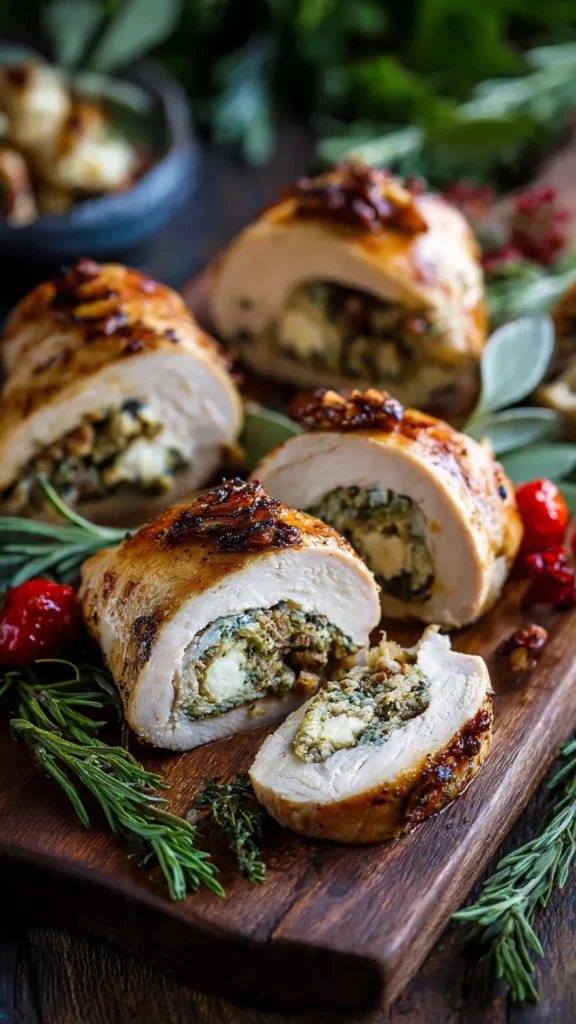
Transfer the entire skillet to your preheated oven. Bake for eighteen to twenty-two minutes, until an instant-read thermometer inserted into the thickest part of a roll reads 165°F. The exact time depends on the thickness of your rolls, so start checking at the eighteen-minute mark.
Resting and Serving
Remove the skillet from the oven—remember that handle is extremely hot, so keep an oven mitt handy. Let the chicken rolls rest in the skillet for five minutes before removing the toothpicks and slicing. This resting period allows the juices to redistribute throughout the meat, ensuring every bite is moist and tender. It also gives the filling time to set slightly, reducing the chance of it oozing out when you slice.
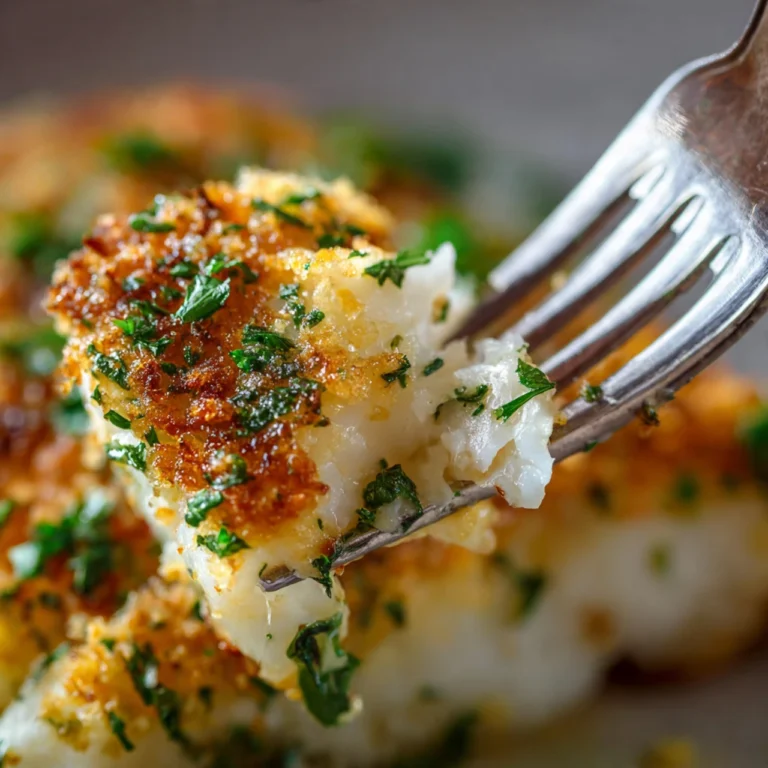
Transfer the chicken rolls to a serving platter or individual plates. Spoon the pan sauce generously over each portion, making sure to get some of those concentrated herb-infused bits from the bottom of the skillet. Garnish with additional fresh herbs if desired—fresh parsley, thyme, or basil all work beautifully.
Serving Suggestions
These elegant chicken rolls pair wonderfully with a variety of sides. Creamy mashed potatoes or garlic mashed cauliflower provide a luxurious base that soaks up the delicious pan sauce. Light, fluffy rice pilaf or herbed couscous offers a more delicate accompaniment. For vegetables, consider roasted asparagus, sautéed green beans, or a medley of roasted root vegetables.
A simple arugula salad dressed with lemon vinaigrette provides a peppery, acidic contrast that cleanses the palate between bites. For a heartier meal, serve alongside creamy polenta or buttered egg noodles.
Storage and Reheating
Store leftover chicken rolls in an airtight container in the refrigerator for up to three days. To reheat, place them in a baking dish with a splash of chicken broth, cover with foil, and warm in a 325°F oven until heated through. This gentle reheating method prevents the chicken from drying out.
Variations to Try
Once you’ve mastered the basic recipe, experiment with different fillings. Try sun-dried tomatoes and basil for a Mediterranean twist, or substitute goat cheese for half the ricotta for tangier flavor. Sautéed mushrooms make an earthy addition to the filling, while roasted red peppers add sweetness and vibrant color.
For the sauce, consider adding a splash of white wine along with the chicken broth, or stir in a tablespoon of capers for a bright, briny kick. Heavy cream can be whisked in at the end for an even richer sauce.
Final Thoughts
Herbed Ricotta Stuffed Chicken Rolls prove that impressive doesn’t have to mean complicated. With straightforward techniques and quality ingredients, you can create a restaurant-worthy dish that tastes as extraordinary as it looks. The combination of textures—tender chicken, creamy filling, crispy exterior—and the interplay of fresh herbs, garlic, and lemon create a memorable meal that’s well worth the minimal effort required.
Recipe Summary
Prep time: 20 minutes
Cook time: 30 minutes
Total time: 50 minutes
Yield: 4 servings
Pro Tip: Let the chicken rest for five minutes before slicing to keep the filling creamy and intact. This small step makes a significant difference in presentation and ensures every slice reveals that beautiful spiral of ricotta and spinach. Serve with rice, mashed potatoes, or roasted vegetables for a complete meal that will have everyone asking for seconds.