Polish Cheese Babka: A Traditional Sweet Yeast Cake
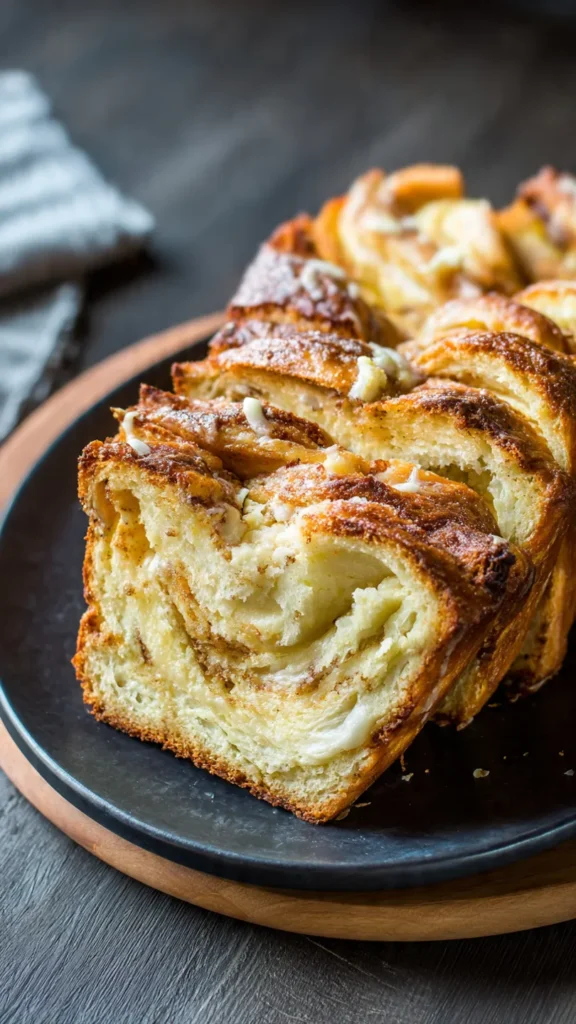
There’s something magical about traditional Polish baking, and cheese babka (sernik na cieście drożdżowym) perfectly captures this charm. This beloved dessert combines a pillowy yeast dough with a luscious farmer’s cheese filling and a buttery crumble topping, creating layers of contrasting textures that make every bite memorable. Whether you’re connecting with your Polish heritage or simply exploring European baking traditions, this babka will quickly become a family favorite.
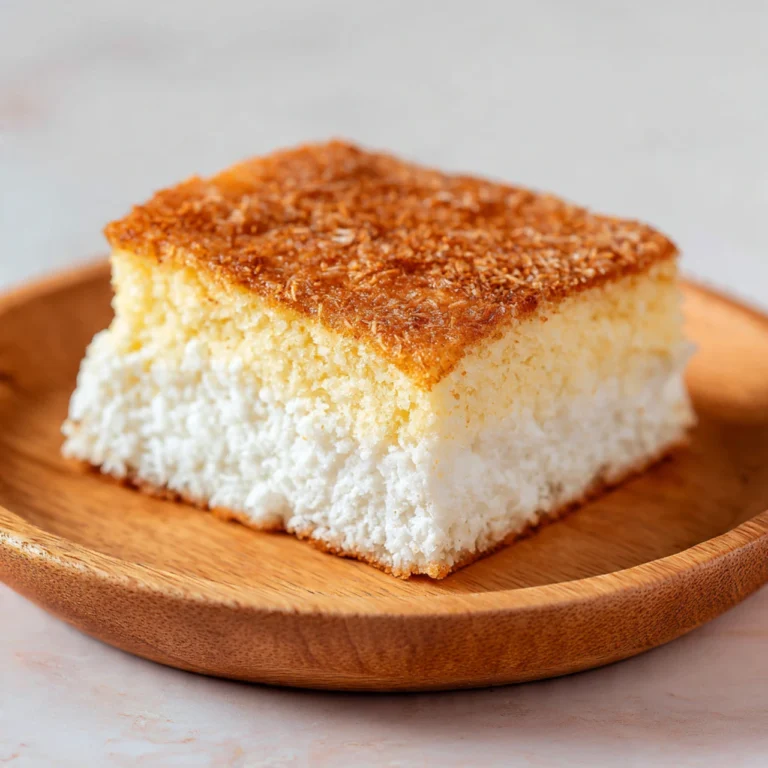
Unlike the chocolate-swirled babka popular in Jewish bakeries, Polish cheese babka features a generous layer of sweetened cheese filling that transforms into a creamy, custard-like center during baking. The crumble topping adds a delightful crunch that complements the soft dough beneath. It’s perfect for Sunday gatherings, holiday celebrations, or any time you want to treat yourself to something special.
Understanding Polish Babka
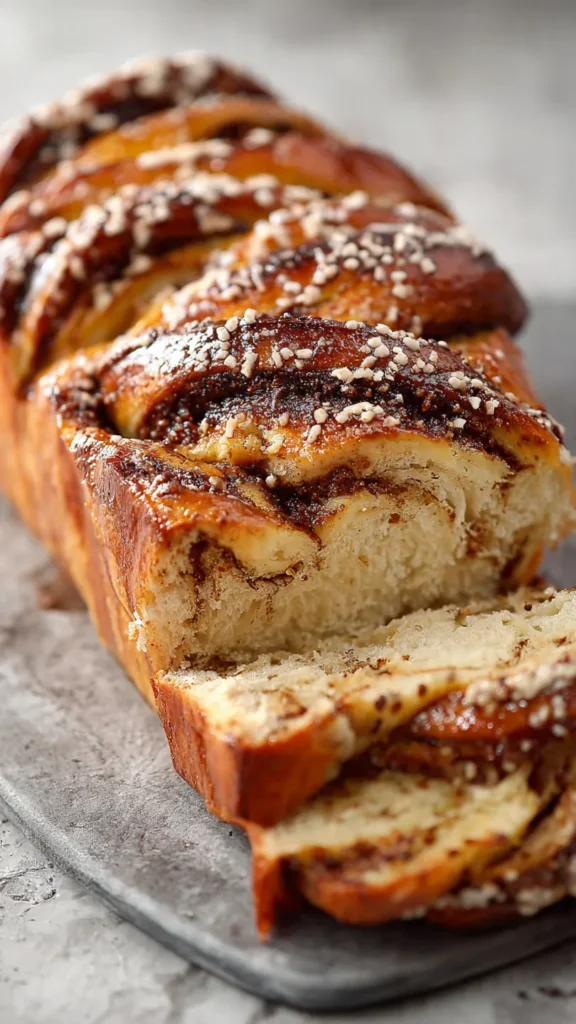
The word “babka” comes from the Polish word for grandmother, and these cakes have been warming Polish homes for generations. Traditional babka recipes vary by region and family, with some featuring fruit, others poppy seeds, and many showcasing farmer’s cheese. This cheese version strikes a beautiful balance between bread and cake, making it suitable for breakfast, dessert, or an afternoon coffee break.
The key to authentic Polish cheese babka lies in using proper farmer’s cheese (twaróg), which has a drier texture than ricotta and creates the perfect filling consistency. If you can’t find farmer’s cheese, well-drained ricotta or pot cheese can work as substitutes, though the texture may differ slightly.
Ingredients You’ll Need
For the Yeast Dough
The foundation of this babka is a rich yeast dough that becomes tender and slightly sweet after rising:
- 4 cups all-purpose flour (provides structure)
- 2 oz fresh yeast (or 2 packets active dry yeast as substitute)
- 2/3 cup butter, melted and slightly cooled
- 1/2 cup granulated sugar
- 1 packet vanilla sugar (or 1 teaspoon vanilla extract)
- 2 whole eggs plus 1 egg yolk (creates richness)
- 1/2 cup warm milk (between 105-110°F)
- Pinch of salt (enhances flavor)
For the Cheese Filling
This creamy filling transforms into a delicate custard layer:
- 1 lb farmer’s cheese, at room temperature
- 2 egg yolks
- 1 cup powdered sugar (dissolves smoothly)
- 1 packet vanilla pudding mix (adds stability)
- 1/4 cup milk
- Few drops of vanilla extract
For the Crumble Topping
A simple streusel that adds textural contrast:
- 2/3 cup granulated sugar
- 3/4 cup all-purpose flour
- 2/3 cup cold butter or margarine, cubed
Step-by-Step Instructions
Preparing the Yeast Dough
The dough-making process requires patience but rewards you with incredible texture and flavor.
Activate the Yeast: Begin by crumbling the fresh yeast into a small bowl. Add 1 tablespoon of sugar and about 2 tablespoons of the warm milk. Stir gently and let this mixture sit for 5-10 minutes. You’ll know it’s ready when it becomes foamy and bubbly on top, indicating the yeast is alive and active. This step, called proofing, ensures your dough will rise properly.
Mix the Dough: In your largest mixing bowl, add the flour and create a well in the center. Pour in the activated yeast mixture, remaining warm milk, salt, sugar, vanilla sugar, eggs, and egg yolk. Using a wooden spoon or your hands, begin mixing from the center outward, gradually incorporating the flour. Once a shaggy dough forms, add the melted butter gradually while continuing to mix.
Knead Until Smooth: Transfer the dough to a lightly floured surface and knead for 8-10 minutes. The dough should transform from sticky to smooth and elastic, pulling away from your hands cleanly. If it remains too sticky, add flour one tablespoon at a time. Proper kneading develops the gluten structure that gives babka its characteristic texture.
First Rise: Place the dough in a greased bowl, turning once to coat all sides with oil. Cover with a clean kitchen towel or plastic wrap and set in a warm, draft-free location. Let it rise for about 1 hour, or until doubled in size. During colder months, you can place the bowl in an oven with just the light on, or near a warm stovetop.
Creating the Cheese Filling
While the dough rises, prepare your filling so the flavors can meld.
Combine Ingredients: In a medium bowl, add the farmer’s cheese and break it up with a fork if it’s in large curds. Add the egg yolks, powdered sugar, vanilla pudding mix, milk, and vanilla extract. Using an electric mixer on medium speed, beat everything together for 2-3 minutes until completely smooth and creamy. The pudding mix isn’t just for flavor—it helps stabilize the filling so it sets properly during baking without becoming watery.
Check Consistency: Your filling should be thick but spreadable, similar to cream cheese frosting. If it seems too thick, add another tablespoon of milk. If too thin, add a bit more powdered sugar. Cover and refrigerate until ready to use.
Assembling Your Babka
This is where everything comes together into beautiful layers.
Prepare the Pan: Grease a 10×15-inch baking pan thoroughly with butter or cooking spray. Sprinkle breadcrumbs across the bottom and sides—this traditional technique prevents sticking and adds a subtle crunch to the bottom crust. Shake out any excess crumbs.
Roll the Dough: Once your dough has doubled, punch it down gently to release air bubbles. On a lightly floured surface, roll it into a rectangle slightly larger than your pan, about 11×16 inches and roughly 1/4-inch thick. Carefully transfer it to the prepared pan, pressing it gently into the corners and up the sides slightly to create a shallow rim.
Add the Filling: Pour the cheese filling over the dough and spread it evenly using an offset spatula or the back of a spoon. Leave a small border around the edges so the filling doesn’t spill over during baking. The layer should be generous and smooth.
Making the Crumble Topping
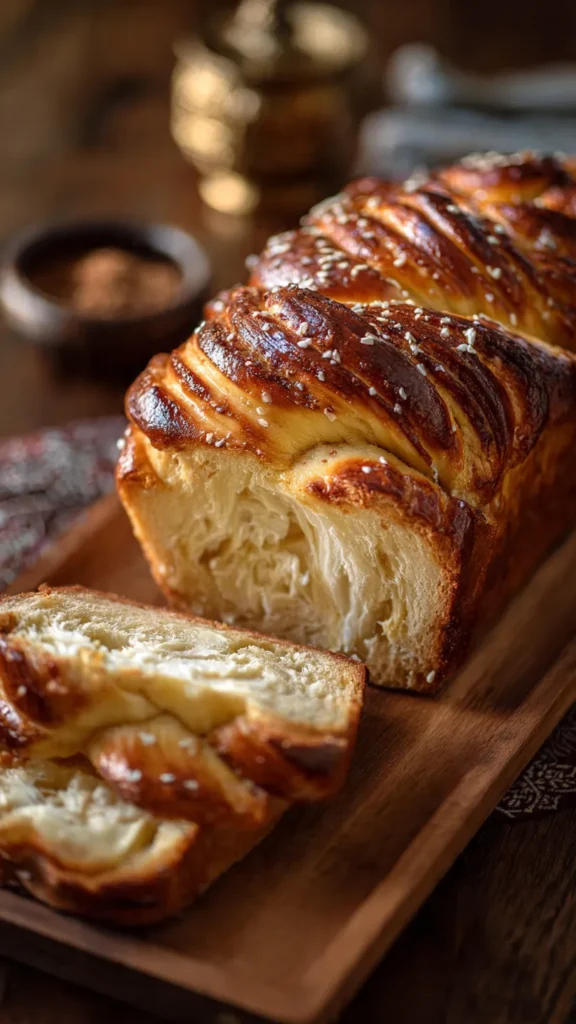
This simple streusel adds incredible texture and sweetness.
Create the Crumble: In a medium bowl, combine the sugar and flour. Add the cold, cubed butter and work it into the dry ingredients using a pastry cutter, fork, or your fingertips. Continue until the mixture resembles coarse crumbs with some pea-sized pieces remaining. The butter should be distributed throughout but not completely blended in—those butter pieces will create the crispy, golden topping.
Top the Babka: Sprinkle the crumble evenly over the cheese filling, covering it completely. Don’t press it down; let it sit loosely on top so it bakes into crispy clusters.
Baking to Perfection
Preheat and Bake: Heat your oven to 350°F (180°C). Once fully preheated, place the babka on the middle rack and bake for 30-35 minutes. You’re looking for a golden-brown crumble topping and lightly browned edges. The dough should be baked through, and a toothpick inserted into the dough (not the filling) should come out clean.
Cool Completely: This step is crucial—resist the temptation to cut into your babka while it’s warm. Let it cool in the pan for at least 30 minutes, then transfer to a wire rack to cool completely. This allows the cheese filling to set properly, making clean slices possible.
Serving Suggestions
Polish cheese babka is traditionally served at room temperature, cut into generous squares. It pairs beautifully with black coffee or hot tea. Some families dust it with powdered sugar just before serving for an elegant presentation. Leftovers keep well covered at room temperature for 2 days, or refrigerated for up to 5 days—though it rarely lasts that long!
This babka also freezes beautifully. Wrap individual portions in plastic wrap and freeze for up to 3 months. Thaw overnight in the refrigerator and bring to room temperature before serving.
Tips for Success
Use fresh yeast if possible for the most authentic flavor and best rise. Store your flour in an airtight container to keep it fresh. Don’t rush the rising time—proper fermentation develops flavor. Make sure all dairy ingredients are at room temperature for even mixing. The cheese filling should be smooth without lumps for the best texture.