Apple Cider Doughnut Cake
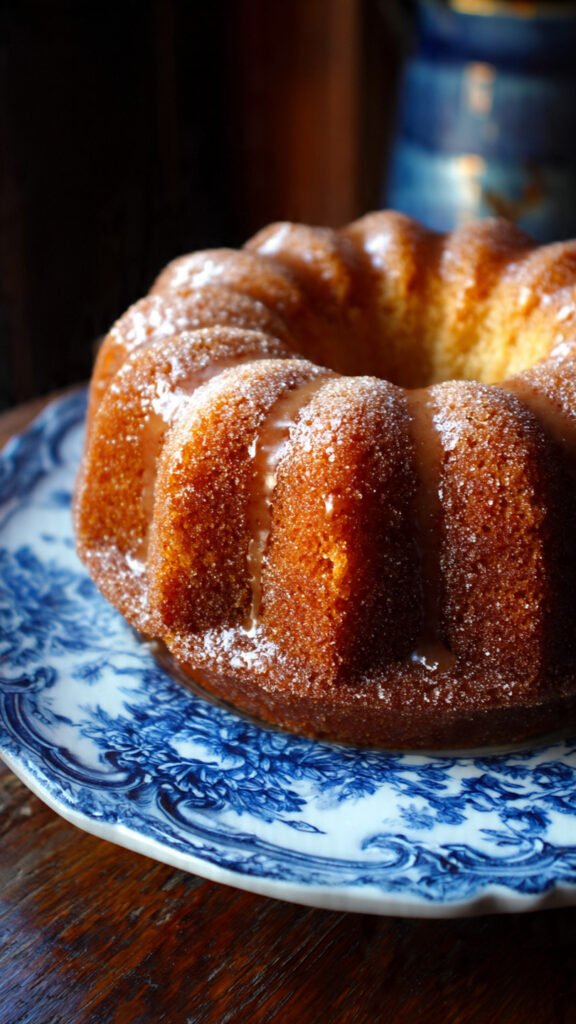
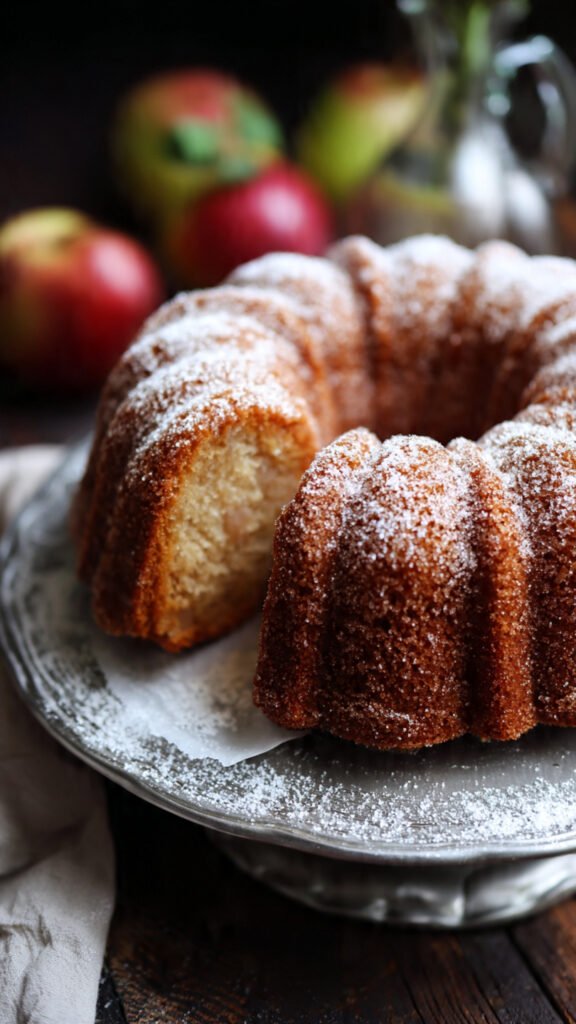
If you’re searching for the perfect fall dessert that captures the essence of autumn in every bite, this Apple Cider Doughnut Cake is exactly what you need. This incredibly moist and flavorful cake combines the warm spices of cinnamon with the sweet tang of apple cider, all topped with a delicious cinnamon sugar coating that mimics your favorite apple cider doughnuts from the orchard.
What makes this recipe truly special is how it transforms a simple box cake mix into something extraordinary. The secret lies in replacing traditional liquids with apple cider and applesauce, creating a cake that’s not only moist but bursting with apple flavor. The finishing touch of melted butter and cinnamon sugar creates a sweet, slightly crispy exterior that contrasts beautifully with the tender crumb inside.
What You’ll Need
Before you begin, gather all your ingredients and equipment. This recipe is surprisingly simple, requiring just a few basic pantry staples and some seasonal ingredients that are easy to find during fall months.
For the Cake Base:
- 1 box (15.25 ounces) yellow cake mix or spice cake mix
- 1 cup apple cider (real apple cider, not apple juice or vinegar)
- ½ cup applesauce (cinnamon applesauce works wonderfully)
- 3 large eggs at room temperature
- ¼ teaspoon cinnamon (adjust to taste)
- 1 tablespoon brown sugar
- 1 teaspoon vanilla extract
For the Cinnamon Sugar Topping:
- 2 tablespoons ground cinnamon (more or less depending on preference)
- ¼ cup granulated sugar
- ¼ cup melted butter
Equipment Needed:
- One bundt pan (10 or 12 cup size)
- Large mixing bowl
- Electric mixer or whisk
- Small bowl for cinnamon sugar
- Pastry brush
- Wire cooling rack
- Toothpick for testing doneness
Understanding Your Ingredients
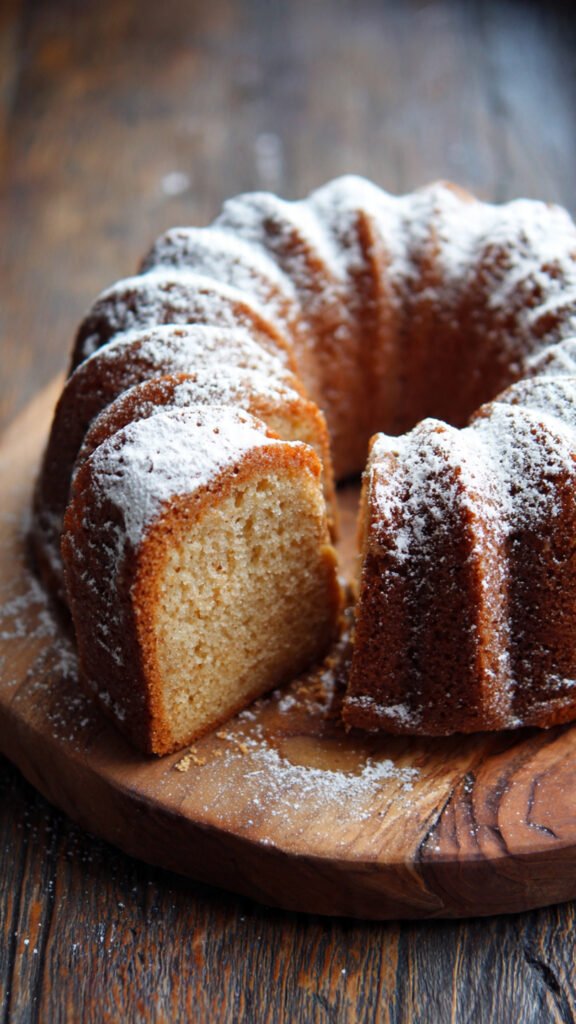
Let’s talk about some key ingredients that make this cake exceptional. First and foremost is the apple cider. This is crucial to get right. You need actual apple cider, which is the unfiltered, sometimes cloudy apple beverage you find in the refrigerated section of grocery stores during fall. Do not substitute apple juice, which is filtered and lacks the robust flavor needed here. And absolutely do not use apple cider vinegar, despite what the name might suggest. Using vinegar will result in a sharp, unpleasant taste that will ruin your cake.
The cake mix serves as your base, and you have options here. A standard yellow cake mix from Betty Crocker works perfectly and creates a lighter, sweeter cake. However, if you want a more intense fall flavor profile, Duncan Hines Spice Cake Mix is an excellent choice that adds warm spices like nutmeg and cloves to complement the cinnamon.
If you’ve noticed cake mix sizes have changed recently, you’re not imagining things. Many brands have reduced their box sizes from 15.25 ounces to 13.25 ounces. If you’re using the smaller box, you’ll need to add about 7 tablespoons of dry mix from a second box. Alternatively, stir in ¼ cup flour, 2 tablespoons sugar, and ⅛ teaspoon baking powder to make up the difference.
Step-by-Step Instructions
Preparation Phase:
Begin by preheating your oven to 350 degrees Fahrenheit. This temperature is crucial for even baking and achieving that perfect golden exterior. While the oven heats, prepare your bundt pan thoroughly. Grease it generously with butter or use a specialized baking spray like Baker’s Joy, which contains flour to prevent sticking. Every nook and cranny of those decorative bundt ridges needs coverage, or you’ll struggle to release the cake later.
Mixing the Batter:
In your large mixing bowl, combine the dry cake mix, apple cider, applesauce, and eggs. Beat these ingredients together until smooth and well incorporated. The batter should be slightly thicker than traditional cake batter due to the applesauce. Next, add the cinnamon, brown sugar, and vanilla extract. Beat again until everything is evenly distributed throughout the batter. The brown sugar adds a subtle molasses note that deepens the overall flavor, while the vanilla rounds out the sweetness.
Baking Process:
Pour the prepared batter into your greased bundt pan, making sure it’s distributed evenly. Tap the pan gently on the counter a few times to release any air bubbles trapped in the batter. Place the pan on the center rack of your preheated oven.
Bake for 40-45 minutes, though timing can vary based on your specific oven and pan size. Larger bundt pans (12 cup capacity) may require the full 45 minutes or slightly longer, while smaller pans (10 cup) might be done closer to 40 minutes. Start checking at the 40-minute mark by inserting a toothpick into the thickest part of the cake. When it comes out clean or with just a few moist crumbs, your cake is ready.
Remove the cake from the oven and let it cool in the pan on a wire rack for exactly 20 minutes. This cooling period is important because it allows the cake to set enough to hold its shape when inverted, but it’s still warm enough to release from the pan without sticking.
Creating the Signature Topping:
While the cake cools, prepare your cinnamon sugar mixture. In a separate small bowl, combine the cinnamon and sugar. The ratio here is completely customizable to your taste preferences. Some people prefer a 2:1 sugar to cinnamon ratio for a sweeter coating, while others like more cinnamon for a spicier finish. Start conservative if you’re unsure—you can always add more cinnamon.
Once the cake has cooled for 20 minutes, carefully invert it onto your serving plate. The cake should release easily if you greased the pan properly. Now comes the fun part: creating that doughnut-like exterior. Melt your butter and use a pastry brush to coat the entire surface of the warm cake. Work quickly but thoroughly, ensuring every curve and crevice gets brushed.
Here’s a pro tip: after brushing with butter, wait about one minute before applying the cinnamon sugar. You want the butter slightly set but still tacky. If it’s too wet, the sugar will dissolve into the butter and disappear into the cake. If it’s too dry, the sugar won’t stick. That one-minute wait creates the perfect window for adhesion.
Generously sprinkle or rub the cinnamon sugar mixture over the entire buttered surface. Don’t be shy—this coating is what gives the cake its doughnut character. If some areas look sparse, add another brush of butter and more cinnamon sugar.
Optional Enhancements
For those who want an extra layer of apple flavor, consider making an apple cider glaze. Whisk together 1 cup of powdered sugar with ¼ cup of apple cider until smooth. Adjust the consistency by adding more sugar for thickness or more cider for a thinner glaze. Drizzle this over the cooled, cinnamon-sugar-coated cake for an additional sweet and tangy element.
Mini Muffin Variation:
This recipe adapts beautifully to mini muffins, perfect for parties or portion control. Follow the same batter instructions, but instead of using a bundt pan, fill well-greased mini muffin cups just short of the top. Bake at 350 degrees for approximately 14 minutes, checking for doneness with a toothpick. Let them cool for 15 minutes, then use a sharp knife to loosen the edges before removing them from the pan. Brush each muffin top with melted butter and dip generously in cinnamon sugar.
Making It Gluten-Free
Thanks to input from home bakers who’ve successfully adapted this recipe, you have excellent gluten-free options. You can substitute Bob’s Red Mill 1-to-1 Gluten-Free Flour plus ¾ teaspoon xanthan gum for the regular cake mix. Alternatively, use a gluten-free yellow cake mix like liveGfree from Aldi, following the recipe exactly as written. Both methods have been tested and approved by families, including the notoriously difficult “husband test.”
Troubleshooting Common Issues
Pan Size Matters: The size of your bundt pan significantly affects the final appearance. A 10-cup pan will produce a taller, more dramatic cake, while a 12-cup pan creates a flatter cake that might not look as risen. Both taste equally delicious, so don’t worry if your cake looks different from photos you’ve seen.
Cinnamon Preferences: Finding your perfect cinnamon-to-sugar ratio is personal. Start with less cinnamon than you think you’ll want. You can always add more, but you can’t take it away once it’s mixed.
Butter Application Timing: The timing of applying butter and sugar is crucial. Mix your cinnamon and sugar after brushing the butter onto the cake. This gives the butter that perfect one-minute rest period, ensuring optimal sticking power for your topping.
Serving and Storage
This Apple Cider Doughnut Cake serves 12 people generously, with each slice containing approximately 262 calories. It’s perfect for fall gatherings, Thanksgiving dessert tables, or simply enjoying with your morning coffee. The cake stays moist for several days when stored in an airtight container at room temperature.
Serve it as is, with a dollop of whipped cream, or alongside vanilla ice cream for an indulgent treat. Some people love pairing it with hot apple cider or coffee to complete the autumn experience.
This recipe proves that spectacular desserts don’t require hours of work or professional baking skills. With a few quality ingredients and simple techniques, you can create a showstopping cake that tastes like it came from a high-end bakery. The combination of convenience and homemade flavor makes this Apple Cider Doughnut Cake a recipe you’ll return to year after year.