Easy Thai Fried Rice – Khao Phat (Authentic & Flavorful!)
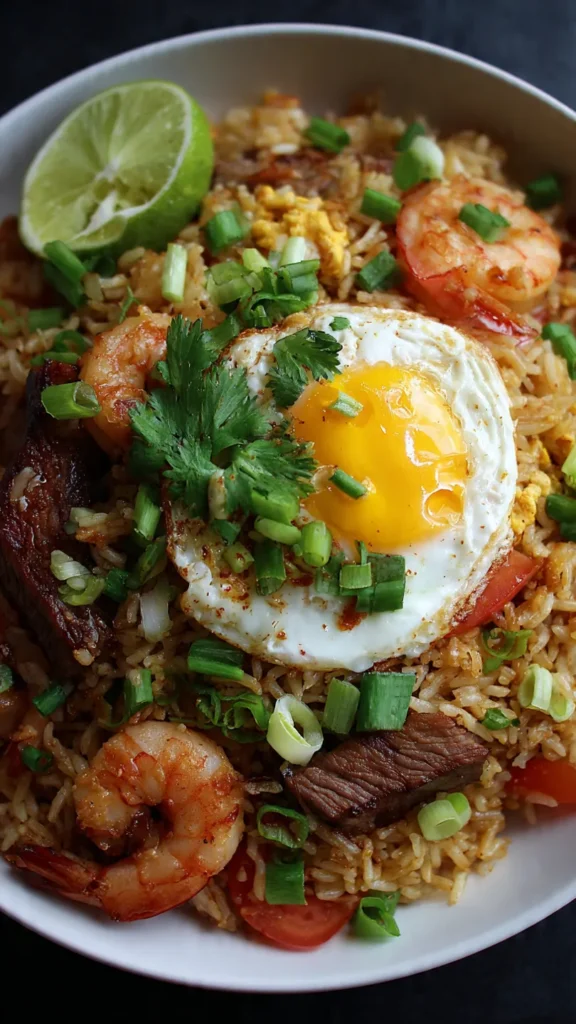
There’s something profoundly satisfying about a perfectly executed plate of Thai fried rice—fluffy individual rice grains coated in savory sauce, crispy bits of egg mixed throughout, and the unmistakable aroma of fish sauce, garlic, and Thai basil wafting up from your plate. I’ll never forget eating Khao Phat from a street vendor in Bangkok at 2 AM—the vendor worked with lightning speed over impossibly high heat, tossing ingredients in a blazing wok until everything came together in under three minutes. That plate of fried rice, simple as it was, taught me that great cooking isn’t always about complexity—it’s about technique, timing, and respecting each ingredient.
Thai fried rice (Khao Phat ข้าวผัด) is Thailand’s ultimate comfort food and street food staple, eaten for breakfast, lunch, dinner, and late-night snacks. Unlike Chinese fried rice with its soy sauce base, Thai fried rice gets its distinctive flavor from fish sauce, a touch of sugar for balance, and aromatic additions like Thai basil and chilies. The key is using day-old rice that’s been refrigerated—fresh rice contains too much moisture and creates mushy, clumpy fried rice rather than the light, separate grains that define the dish.
This recipe delivers restaurant-quality Thai fried rice at home in just 20 minutes. You’ll learn the crucial techniques that separate soggy, mediocre fried rice from the fluffy, flavorful version served in Thai restaurants: proper rice preparation, high-heat cooking, the correct order of ingredients, and the secret sauce combination that creates authentic Thai flavor. Whether you’re using shrimp, chicken, pork, or keeping it vegetarian, this Khao Phat recipe will become your go-to weeknight dinner.
Jump to Recipe Card
Prep Time: 10 min | Cook Time: 10 min | Total: 20 min (plus rice cooking/cooling time)
Yield: 2-3 servings | Difficulty: Easy to Medium
Quick Stats Box:
- Cuisine: Thai
- Course: Main dish
- Diet: Adaptable for vegetarian, vegan, gluten-free, pescatarian
- Best for: Quick dinners, leftover rice meals, weeknight cooking, meal prep, Thai food lovers
Why This Recipe Works
- Day-old rice is non-negotiable — Refrigerated rice has dried out slightly, allowing grains to stay separate and crisp up perfectly instead of becoming mushy
- High heat creates restaurant texture — Cooking over high heat quickly crisps the rice and creates those signature slightly charred, caramelized bits
- Fish sauce is the flavor foundation — This fermented condiment provides the umami-rich, savory backbone that defines Thai fried rice
- Cook ingredients separately — Adding components in stages prevents overcrowding and ensures each element cooks properly without steaming
- Thai basil adds aromatic finish — Added at the end, fresh Thai basil (not Italian basil) provides the distinctive anise-like aroma that makes this authentically Thai
Ingredient Spotlight
Day-Old Jasmine Rice—The Foundation
Thai fried rice traditionally uses day-old jasmine rice that’s been refrigerated overnight. The refrigeration process dries out the rice grains, making them firm and less sticky—perfect for frying without clumping. Fresh, just-cooked rice contains too much moisture and creates gummy fried rice. Some chefs even prefer long-grain white rice over jasmine for fried rice because it stays even more separate.
Fish Sauce—The Soul of Thai Cooking
Fish sauce (nam pla น้ำปลา) is the defining ingredient in Thai fried rice, providing deep umami and savory complexity. It’s made from fermented anchovies and salt, creating an intensely flavored liquid that’s essential to Thai cuisine. Don’t substitute soy sauce—the flavor profile is completely different.
Thai Basil—Not Italian Basil
Thai basil (horapa โหระพา) has a distinct anise-like, slightly spicy flavor completely different from sweet Italian basil. Its purple stems and pointed leaves hold up to high heat without wilting immediately. If unavailable, substitute regular basil, but the flavor won’t be authentically Thai.
Ingredients
For the Fried Rice:
- 3 cups cooked jasmine rice, refrigerated overnight (from about 1½ cups uncooked rice)
- 2-3 tablespoons vegetable oil or peanut oil
- 3-4 cloves garlic, minced
- 2 Thai chilies, chopped (optional, for heat)
- 1 small onion, diced
- 2 eggs, beaten
- 8 oz protein of choice: shrimp (peeled, deveined), chicken breast, or pork (diced)
For the Sauce:
- 2 tablespoons fish sauce
- 1 tablespoon oyster sauce
- 1 tablespoon light soy sauce
- 1-2 teaspoons sugar
- ½ teaspoon white pepper
- Optional: ½ teaspoon MSG for extra umami
For Vegetables and Garnish:
- 1 cup Chinese broccoli or regular broccoli, chopped
- 2 green onions, sliced
- 1 tomato, cut into wedges (traditional garnish)
- ½ cucumber, sliced (for serving)
- 1 cup fresh Thai basil leaves
- Lime wedges (for serving)
- Fried egg on top (optional, traditional)
Ingredient Notes:
- Quality matters most: Use Thai fish sauce brands like Red Boat or Squid Brand for authentic flavor
- Room temperature is key: Bring day-old rice to room temperature and break up clumps before cooking
- Don’t skip: Refrigerating rice overnight is essential—fresh rice will create mushy fried rice
Essential Equipment
You’ll Need:
- Large wok or large nonstick skillet
- Wok spatula or large spoon
- Gas stove (preferred for high heat) or electric stove
- Small bowl for sauce mixture
- Large bowl for separating cold rice
- Rice cooker or pot for cooking rice
Nice to Have:
- Two wok spatulas (for easier rice tossing)
- Mortar and pestle (for making garlic-chili paste)
- High-BTU burner (for authentic wok cooking)
How to Make Easy Thai Fried Rice – Khao Phat (Step-by-Step)
Step 1: Prepare the Rice in Advance
Cook jasmine rice according to package directions (or use a rice cooker). Fluff the rice immediately after cooking to separate the grains and prevent clumping. Let cool to room temperature, then transfer to a container and refrigerate overnight or at least 4-6 hours. The rice should feel dry and firm to the touch.
Before cooking, use your hands to gently break up any clumps of cold rice. The grains should be separate and individual, not stuck together in a mass.
Pro tip: If you forgot to make rice ahead, spread freshly cooked rice on a baking sheet and refrigerate for 30 minutes, tossing occasionally to speed up drying.
Step 2: Mix the Sauce
In a small bowl, combine fish sauce, oyster sauce, light soy sauce, sugar, white pepper, and MSG (if using). Stir until sugar dissolves completely. Set aside. Having the sauce pre-mixed allows you to add it quickly during the high-heat stir-frying without interrupting your cooking rhythm.
Temperature matters: Pre-mixing the sauce ensures even distribution and prevents over-saucing, which creates wet, mushy fried rice.
Step 3: Prepare All Ingredients (Mise en Place)
Thai cooking happens fast over high heat, so everything must be prepped before you start cooking. Dice your protein into bite-sized pieces. Chop garlic, Thai chilies, onions, and Chinese broccoli. Separate broccoli stems from leaves (stems cook first). Beat the eggs. Slice green onions. Pick Thai basil leaves from stems.
Arrange everything near your stove in the order you’ll use it: oil, garlic/chilies, onions, protein, eggs, rice, sauce, vegetables, basil.
Step 4: Heat the Wok and Cook Protein
Heat your wok over high heat until it’s smoking hot—this is crucial for authentic texture. Add 1 tablespoon of oil and swirl to coat the wok. Immediately add your protein (shrimp, chicken, or pork) and stir-fry quickly for 1-2 minutes until just cooked through. Remove protein to a plate and set aside.
Common mistake: Using medium heat creates steamed, not fried rice. The wok must be blazing hot for proper texture.
Step 5: Scramble the Eggs
Add another tablespoon of oil to the hot wok. Pour in beaten eggs and let them sit for 10-15 seconds until the bottom starts to set. Use your spatula to scramble into large curds, leaving them slightly undercooked and runny around the edges (they’ll cook more when you add the rice). Push eggs to the side of the wok or remove to a plate.
Step 6: Aromatics and Vegetables
Add garlic and Thai chilies to the center of the wok (where it’s hottest). Stir-fry for 15-30 seconds until fragrant but not browned. Immediately add onions and Chinese broccoli stems (not leaves yet). Stir-fry for 30 seconds until vegetables begin to soften but remain crisp.
Don’t rush: Toasting the aromatics properly releases their essential oils and creates the foundational flavor.
Step 7: Add the Rice
Turn heat to highest setting. Add the cold, separated rice to the wok. Use your spatula in a scooping, tossing motion to mix the rice with the vegetables, breaking up any remaining clumps. Stir-fry vigorously for 30-60 seconds, keeping the rice moving constantly. Use two spatulas if needed to pull the rice apart and keep grains separate.
Test kitchen discovery: Let the rice sit undisturbed for 30-60 seconds occasionally to develop crispy, golden bits on the bottom.
Step 8: Add Sauce and Coat Rice
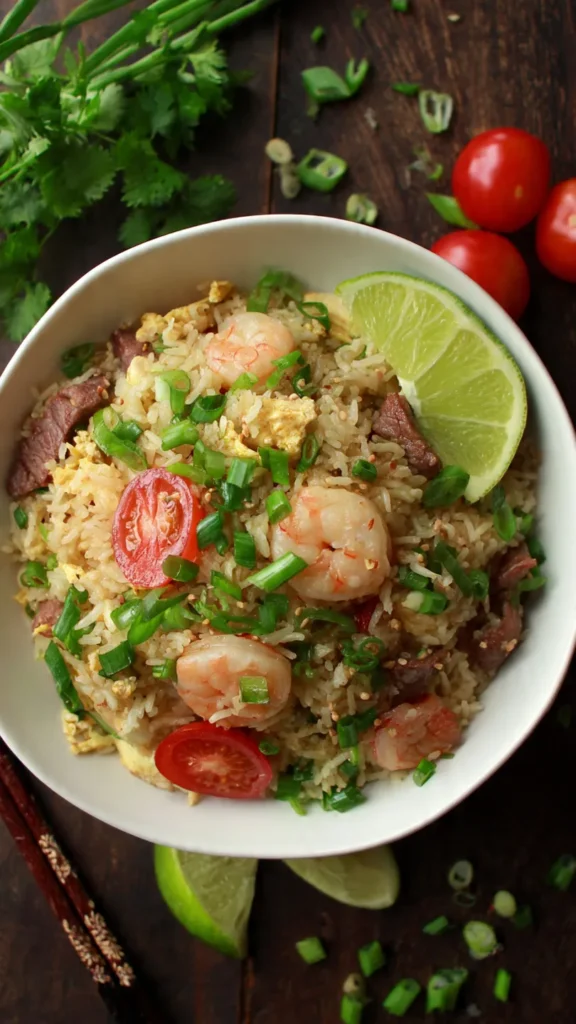
Pour the pre-mixed sauce over the rice. Immediately stir and toss to coat every grain evenly. Continue stir-frying over high heat for 2-3 minutes until the rice absorbs the sauce and looks dry again, not wet or sticky. The rice should smell fragrant and look glossy but not wet.
Add the cooked protein back to the wok and toss to incorporate and reheat.
Pro tip: Some chefs add soy sauce directly to the hot wok first, letting it caramelize before adding rice for deeper, smokier flavor.
Step 9: Final Additions
Add Chinese broccoli leaves (they cook faster than stems) and green onions. Toss for 30 seconds until just wilted. Turn off heat and immediately add fresh Thai basil leaves, stirring quickly until wilted from residual heat. The basil should brighten but not fully cook.
Taste and adjust seasoning—add more fish sauce for saltiness, sugar for balance, or white pepper for heat.
Step 10: Plate and Serve
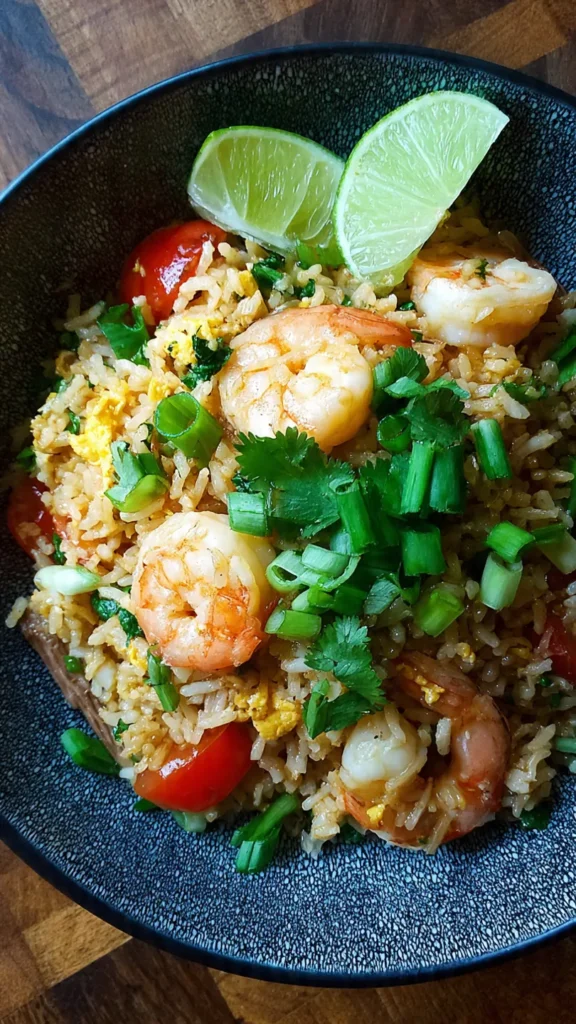
Immediately transfer fried rice to serving plates. Garnish with cucumber slices, tomato wedges, and lime wedges on the side (traditional Thai presentation). For extra authenticity, top each serving with a fried egg cooked sunny-side up with crispy edges.
Serve immediately while hot with additional fish sauce, chili flakes, and lime wedges on the side for customization.
Expert Tips & Tricks
Temperature Matters: A screaming-hot wok is absolutely essential. If you hear sizzling the instant ingredients hit the pan, your heat is correct. If ingredients sit and steam, increase heat.
Don’t Rush Rice Preparation: Day-old refrigerated rice is the single most important factor in successful fried rice. Fresh rice has too much moisture and creates gummy, mushy texture no matter how well you cook it.
The Secret to Separate Grains: Keep rice moving constantly and use a scooping motion rather than stirring. Break up clumps aggressively with your spatula—the more separate the grains, the better the texture.
Common Mistake: Adding too much sauce. Thai fried rice should look dry and fluffy, not wet and sticky. If you think it needs more flavor, add salt or sugar rather than more sauce.
Test Kitchen Discovery: Using long-grain white rice instead of jasmine rice creates even more separate, individual grains perfect for fried rice.
Customization Ideas
Protein Variations:
- Shrimp (Khao Pad Goong): Most popular version, use medium or large shrimp
- Chicken (Khao Pad Gai): Diced chicken breast or thigh
- Pork (Khao Pad Moo): Ground pork or diced pork loin
- Crab (Khao Pad Poo): Luxury version with lump crab meat
- Vegetarian: Omit protein or add tofu, mushrooms, cashews
- Combination: Mix multiple proteins for variety
Flavor Modifications:
- Extra Spicy: Increase Thai chilies, add bird’s eye chilies
- Pineapple Fried Rice: Add fresh pineapple chunks and cashews for sweet-savory contrast
- Basil Fried Rice (Pad Krapow): Increase Thai basil significantly and add bird’s eye chilies
- Crab Fried Rice: Add lump crab meat and crab roe for orange color
- Tom Yum Fried Rice: Add tom yum paste for sour-spicy flavor
Vegetable Additions:
- Chinese broccoli (kai lan)
- Baby corn
- Snow peas
- Bell peppers
- Cabbage
- Bean sprouts (add at end)
- Long beans
Storage & Meal Prep
Make Ahead:
- Rice: Cook and refrigerate up to 3 days ahead
- Sauce mixture: Prepare up to 1 week ahead and refrigerate
- Chopped vegetables: Prep up to 1 day ahead, store separately
- Not recommended: Fully cooking fried rice ahead—it’s best fresh
Storing:
- Leftover fried rice: Refrigerate in airtight container up to 3 days
- Reheating: Best reheated in a hot wok or skillet with a splash of oil, not microwave
Reheating:
Heat a wok or skillet over high heat with 1 tablespoon oil. Add cold fried rice and stir-fry for 2-3 minutes, breaking up clumps, until heated through and crispy again. Add a splash of water if too dry.
What to Serve With Thai Fried Rice
Perfect Pairings:
- Thai iced tea — Sweet, creamy beverage balances spicy fried rice
- Thai soup — Tom yum or tom kha gai for complete meal
- Fresh spring rolls — Light, refreshing contrast
- Som tam (papaya salad) — Spicy, tangy complement
- Satay — Grilled skewers with peanut sauce
Complete the Meal:
Khao Phat is often served as a complete one-dish meal in Thailand. For a fuller spread, add pad thai, Thai curries, or stir-fried vegetables.
Nutrition Facts (Per Serving)
Based on 1 serving (3 total) with shrimp:
Calories: 450-520 | Protein: 28g | Carbs: 58g | Fat: 14g | Fiber: 3g | Sugar: 4g | Sodium: 1650mg
Note: Nutrition varies based on protein choice and amount of oil/sauce used. Thai fried rice is relatively high in sodium due to fish sauce.
Your Questions Answered
Why must I use day-old rice?
Fresh rice contains too much moisture, causing grains to stick together and become mushy when stir-fried. Day-old refrigerated rice has dried out, allowing grains to stay separate and crisp up properly.
Can I use fresh rice if I forgot to make it ahead?
In a pinch, spread freshly cooked rice on a baking sheet and refrigerate uncovered for 30-60 minutes, tossing occasionally to speed drying.
What if I don’t have a wok?
Use the largest nonstick skillet you have. You may need to add an extra tablespoon of oil since skillets don’t distribute heat as efficiently as woks.
Can I make this without fish sauce?
Fish sauce provides the essential umami that defines Thai fried rice. For vegetarian versions, substitute with mushroom-based soy sauce, but the flavor won’t be authentically Thai.
What’s the difference between Thai and Chinese fried rice?
Thai fried rice uses fish sauce as the primary seasoning and includes Thai basil, while Chinese fried rice relies on soy sauce and typically doesn’t include basil.
My fried rice is mushy/wet—what went wrong?
Most likely causes: using fresh rice instead of day-old, not drying rice thoroughly after refrigeration, adding too much sauce, or cooking over insufficient heat.
Recipe History & Cultural Context
Khao Phat (ข้าวผัด), literally “fried rice” in Thai, is believed to have Chinese origins but has been thoroughly adapted to Thai tastes over centuries. When Chinese immigrants brought stir-frying techniques to Thailand, local cooks incorporated distinctly Thai ingredients—fish sauce instead of soy sauce, Thai basil, and palm sugar—creating a dish that tastes completely different from Chinese fried rice despite similar cooking methods.
In Thailand, fried rice is considered a practical way to use leftover rice and is eaten at any time of day—breakfast, lunch, dinner, or late-night snacks. Street vendors across Thailand prepare individual portions to order in blazing-hot woks, cooking each serving in under three minutes with impressive skill and speed.
The addition of a fried egg on top (kai dao) is traditional and highly popular, with the runny yolk mixing into the rice to add richness. The side garnishes of cucumber, tomato, and lime aren’t just decorative—they provide cooling, refreshing contrast to the hot, savory rice, following Thai culinary principles of balance.
Today, Thai fried rice remains one of the most popular Thai dishes both in Thailand and internationally, loved for its bold flavors, quick preparation, and versatility. Whether served from a street cart, a family kitchen, or a restaurant, properly made Khao Phat exemplifies Thai cooking at its best—simple ingredients transformed through proper technique into something utterly delicious.
Printable Recipe Card
Easy Thai Fried Rice – Khao Phat
Authentic Thai fried rice with fish sauce, basil, and your choice of protein
Rice & Protein: 3 cups day-old jasmine rice – 8 oz shrimp/chicken/pork – 2-3 tbsp oil – 3-4 cloves garlic – 2 Thai chilies – 1 onion – 2 eggs
Sauce: 2 tbsp fish sauce – 1 tbsp oyster sauce – 1 tbsp soy sauce – 1-2 tsp sugar – ½ tsp white pepper
Vegetables: 1 cup Chinese broccoli – 2 green onions – 1 cup Thai basil – Tomato & cucumber (garnish) – Lime wedges
Instructions:
- Cook rice, refrigerate overnight, break up clumps before cooking
- Mix all sauce ingredients in small bowl
- Heat wok until smoking, cook protein 1-2 min, remove
- Add oil, scramble eggs, push to side
- Add garlic & chilies 15-30 sec, add onion & broccoli stems 30 sec
- Add rice, toss vigorously 30-60 sec breaking up clumps
- Add sauce, stir-fry 2-3 min until rice is dry and coated
- Add protein back, add broccoli leaves & green onions 30 sec
- Turn off heat, add Thai basil, toss until wilted
- Serve immediately with cucumber, tomato, lime, fried egg on top
Notes: Day-old refrigerated rice is essential. Cook over highest heat possible. Keep rice moving to prevent clumping. Rice should look dry, not wet.